HDM Gallery
Transforming an industrial landmark into a contemporary gallery through preservation, restraint and refined minimalism.
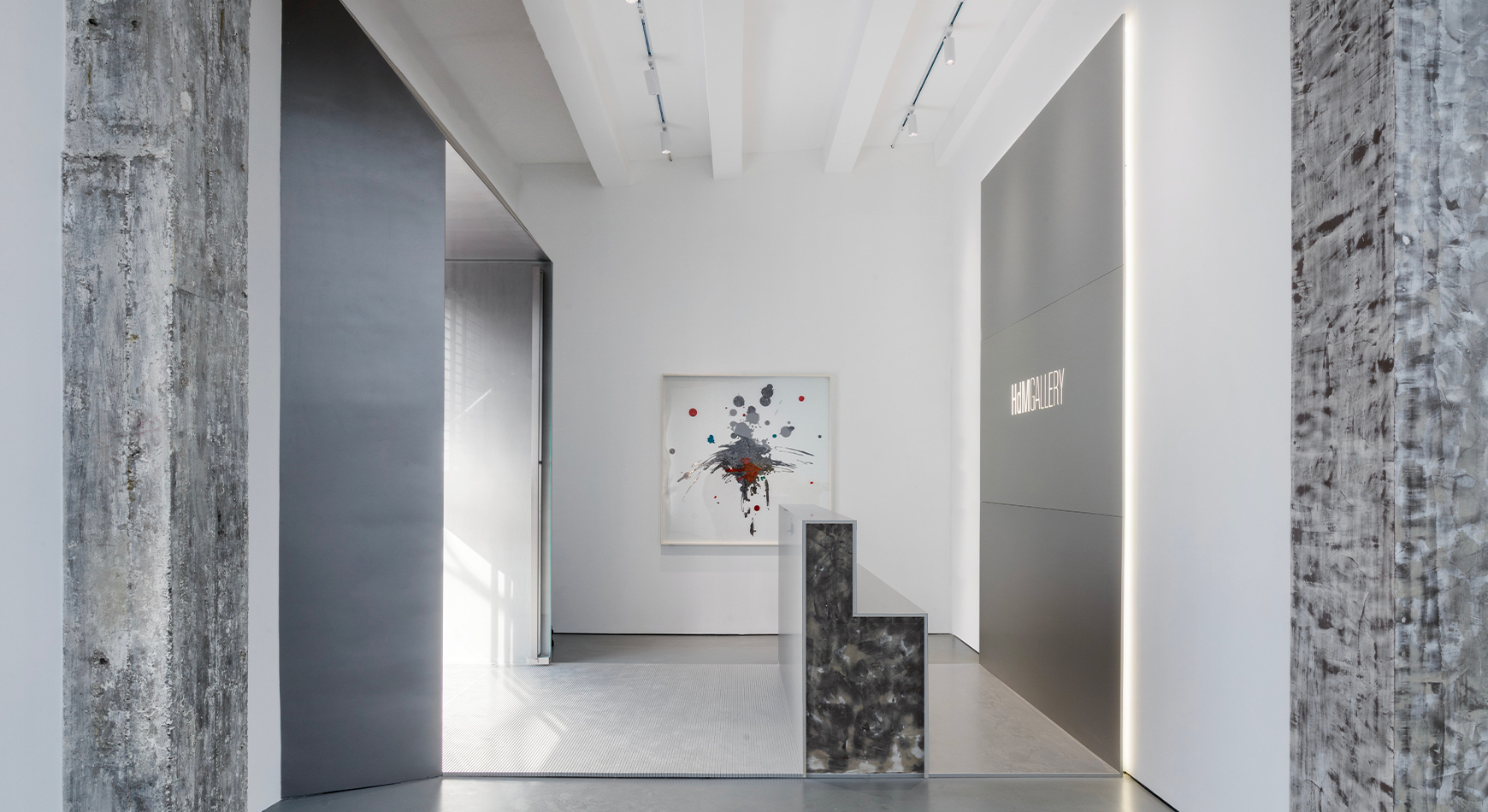
To mark the 15th anniversary of HdM Gallery, Sybarite redesigned HdM Gallery’s new flagship space in Beijing’s 798 Art District. The former 1950s factory now houses a contemporary gallery that preserves its industrial character and cultural significance.






Preservation Through Intervention
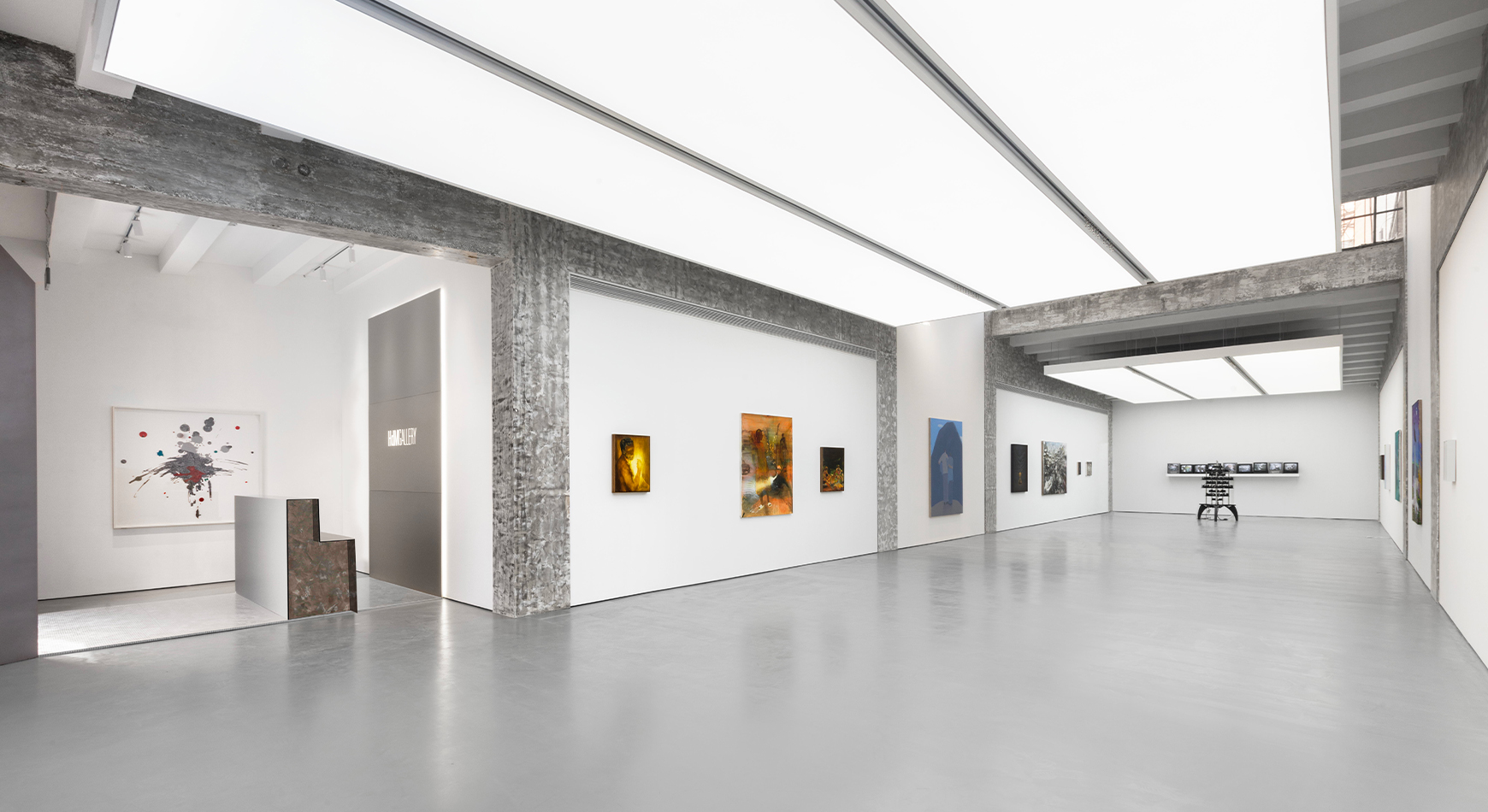
From the outset, the design was guided by a desire to retain the building’s inherent sense of solidity, texture and authenticity. Rather than concealing the industrial fabric, Sybarite embraced the existing structure and introduced a series of carefully considered interventions that establish a dialogue between old and new.
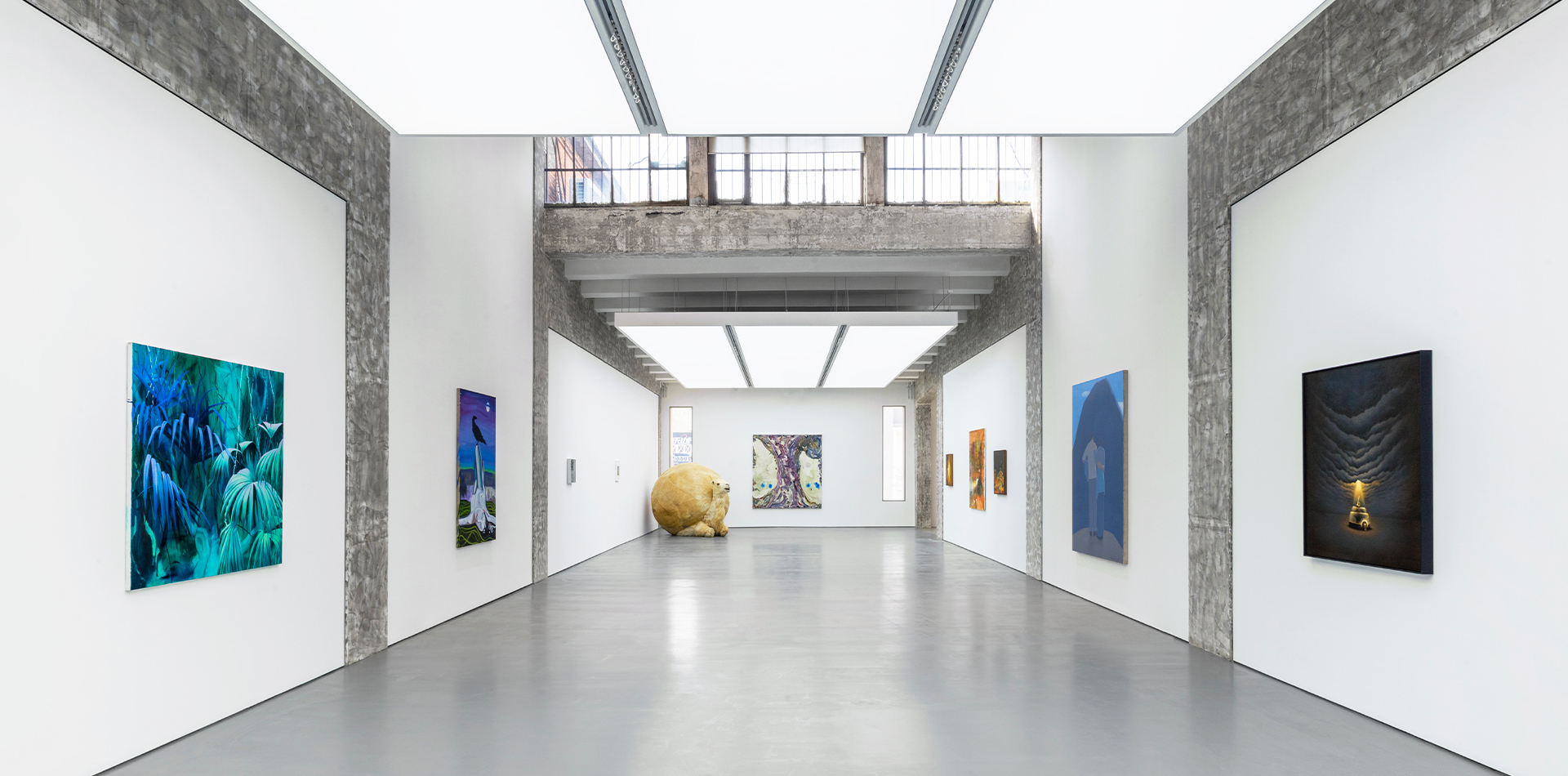
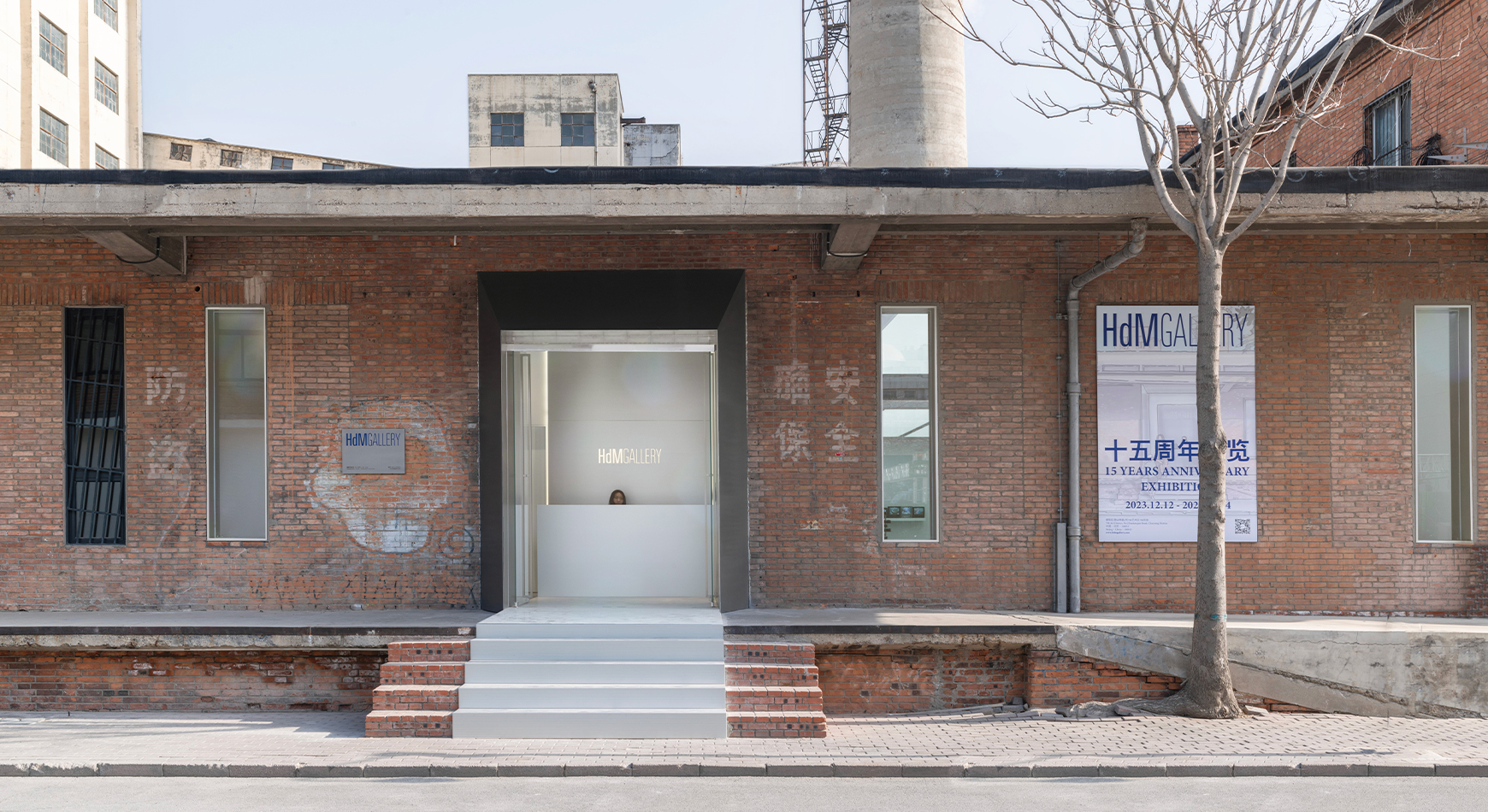
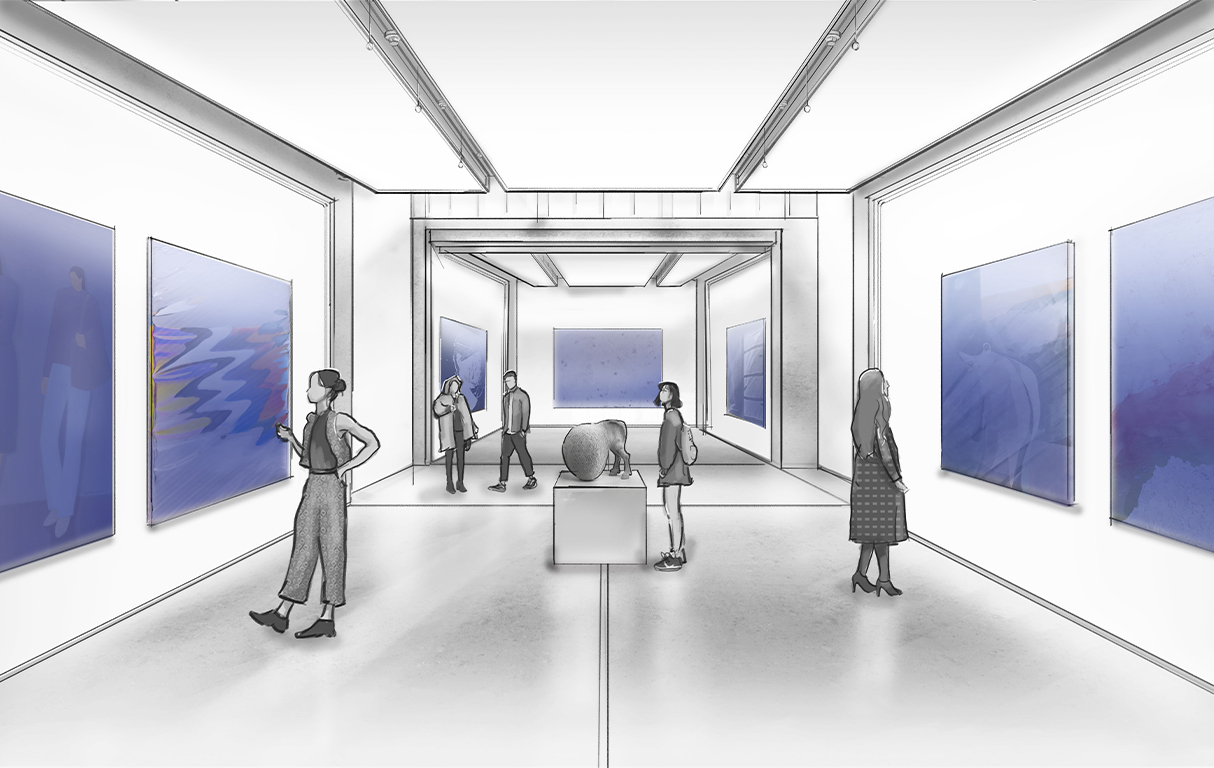
The gallery’s exterior remains largely untouched, preserving the patina and material character that speak to the history of the site. Inside, a more restrained architectural language creates a neutral setting for art while allowing the exposed concrete, brickwork, columns and beams to remain visible throughout the experience.
A Gallery Designed to Adapt
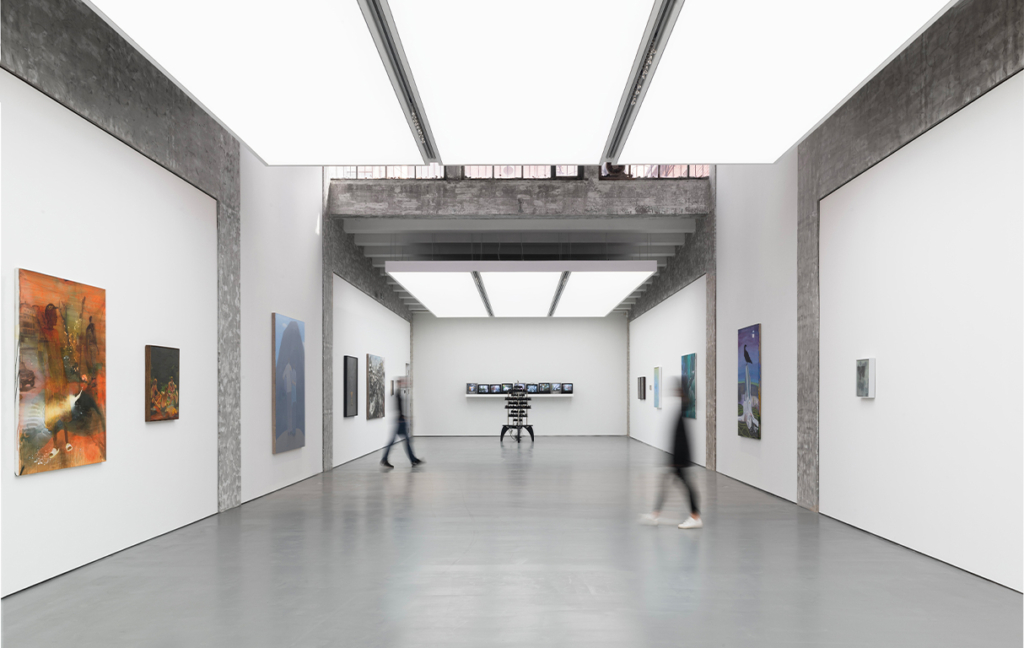
Specialising in painting, sculpture, video and installation, HdM Gallery required an environment capable of accommodating a diverse and evolving programme of exhibitions.
The 500m² space was therefore conceived as a highly adaptable framework. Expansive gallery rooms allow for multiple curatorial configurations, while private meeting spaces provide opportunities for discussion, reflection and engagement. A carefully orchestrated lighting strategy combines shadowless illumination with focused display lighting, ensuring each exhibition can be experienced in its optimal setting.
Materiality & Continuity
Materiality plays a central role in connecting the gallery’s industrial heritage with its contemporary identity. A restrained palette of greys, whites and metallic finishes creates a sense of calm and clarity while allowing the artwork to remain the primary focus.
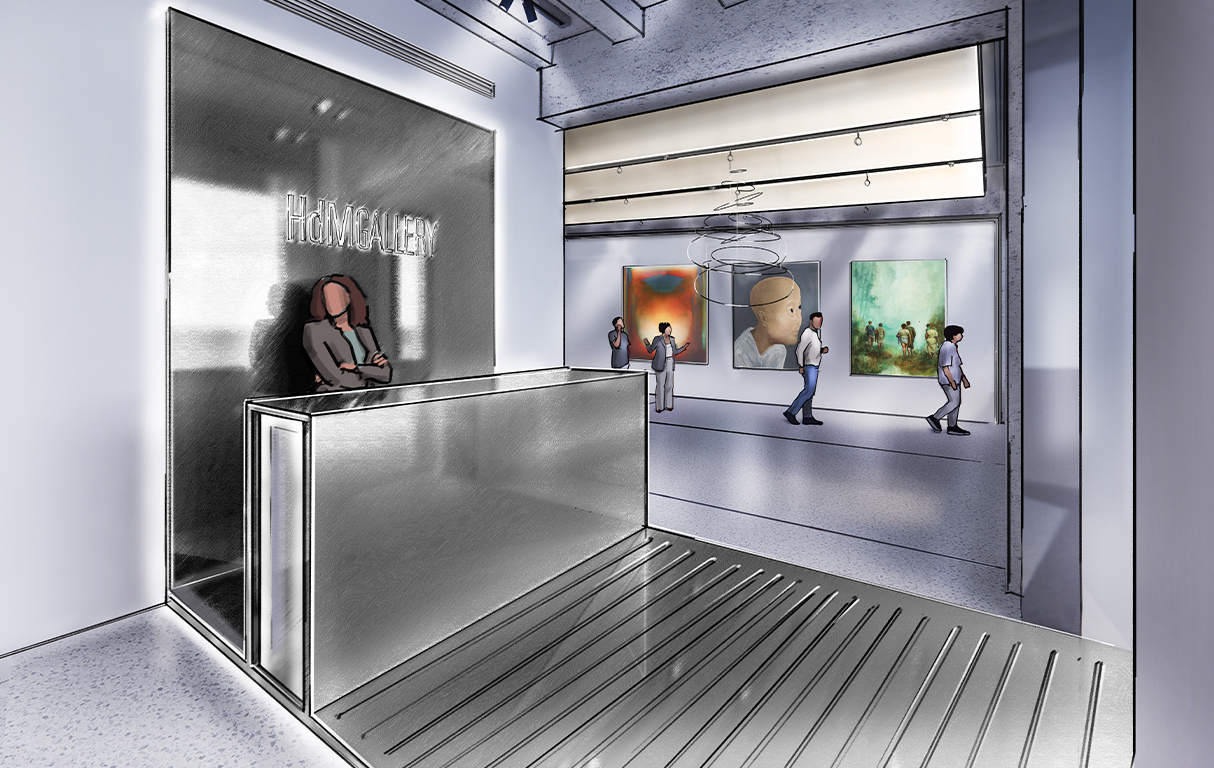
This relationship is most clearly expressed through a singular architectural gesture: a brushed aluminium element that begins at street level, guides visitors into the gallery and culminates in the reception desk. Acting as both wayfinding device and material thread, it establishes a seamless connection between exterior and interior, old and new.
CONCLUSION
HdM Gallery demonstrates how careful preservation can coexist with contemporary intervention. Defined by restraint, material honesty and a strong sense of place, the project establishes a new home for contemporary art within one of Beijing’s most important cultural districts.