Go Back
Research
Ed Price - Senior Visualiser

Material Mixtape 2.0 – Rendering Imperfections: The Digital Craft of Patina

A collection of reflections around materiality, making, and innovation.

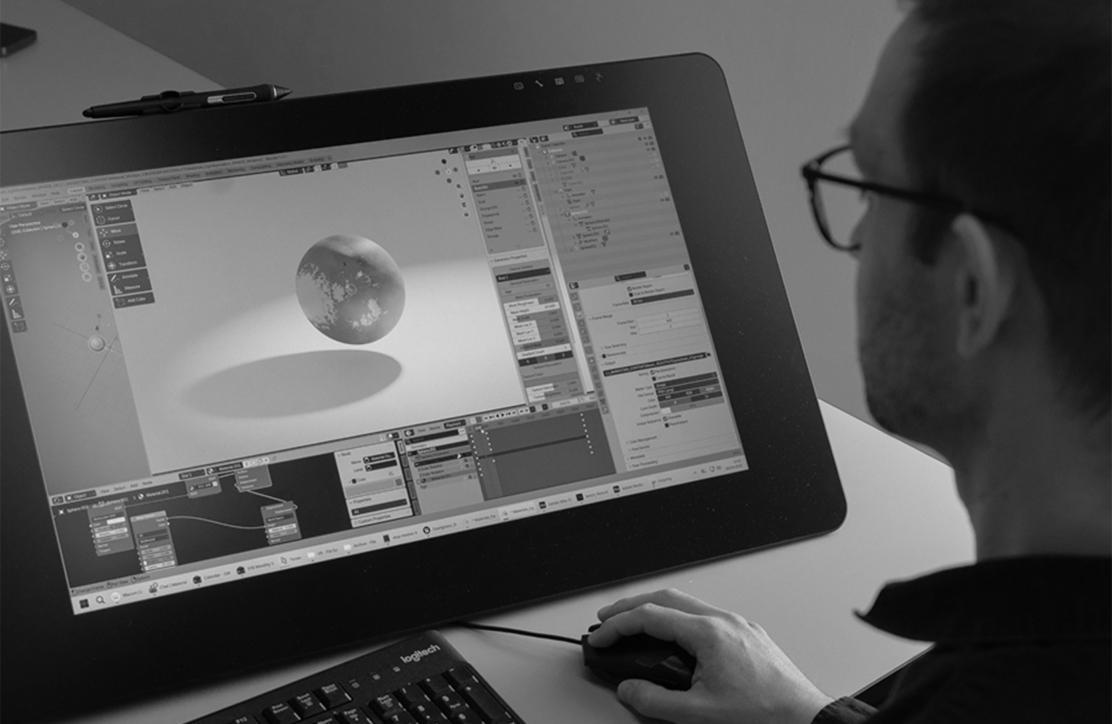
“As 3D artists we study how surfaces behave – how they catch light, wear and change. For me, spending time digitally crafting a material ageing reflects the passage of time itself. It’s a considered, almost meditative process – one that mirrors how materials develop character through use and exposure.” Edward Price, Senior Visualiser

The Value of Imperfection

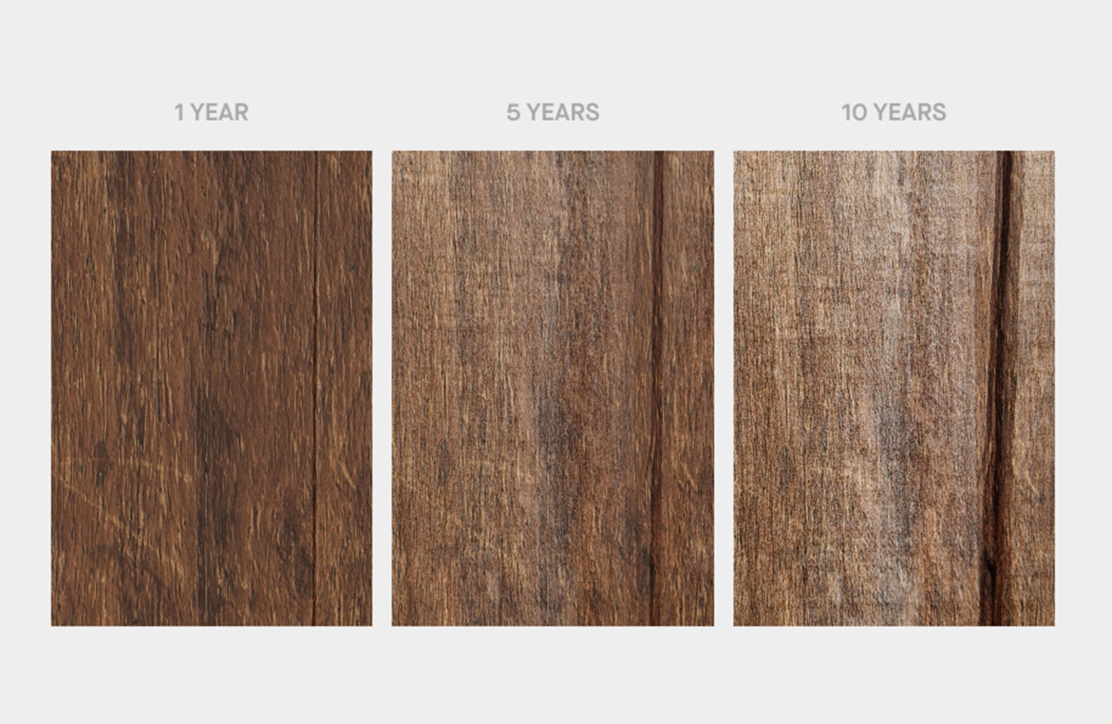
Materials are rarely experienced in pristine condition. They soften, oxidise, fade and wear over time – gaining character through use and environment. Digital craft allows us to visualise not just how materials begin, but how they evolve.

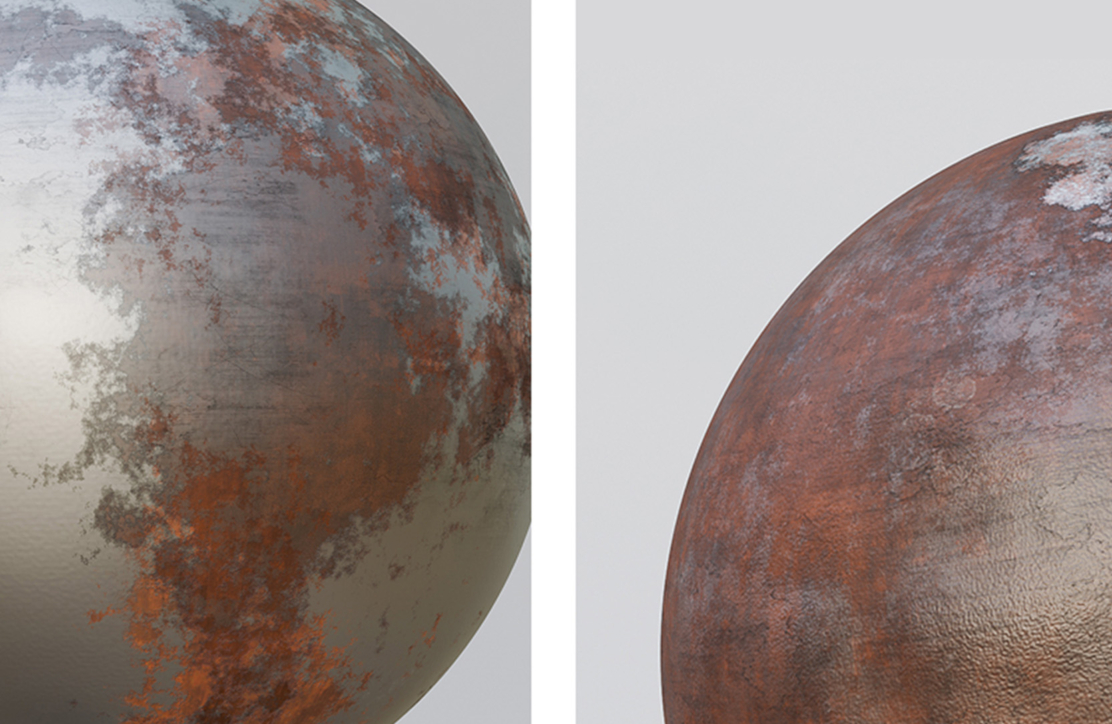
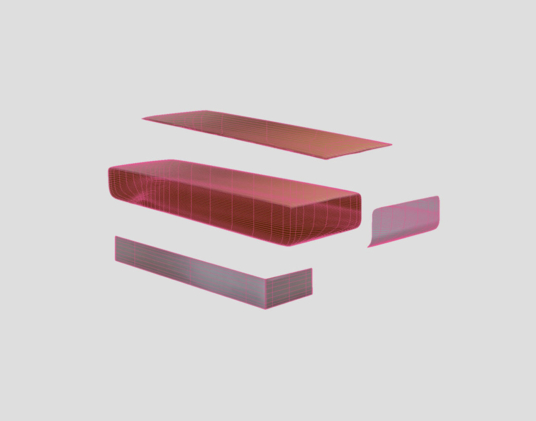
Traditional 3D modelling techniques can introduce subtle imperfections that dramatically improve realism: bevels, chamfered edges, dents, scratches, surface irregularities and signs of wear.

These details help objects feel tactile and believable rather than artificially perfect.  Realism often, also, emerges through restraint – introducing just enough asymmetry, inconsistency and ageing to mirror the physical world.


Material Observation

“Outside the digital space, we always try to observe the world around us and how ambient, environmental or artificial light sources react to different surfaces and how this can change a space and enhance the visual fidelity in a visual.”

Timber deepens in tone, metals oxidise, leather softens and creases through use. These subtle transformations are what make environments feel lived-in. 

Here, photography also becomes an important tool – building libraries of references, textures and surface studies that inform digital material creation.

Digital Material Craft

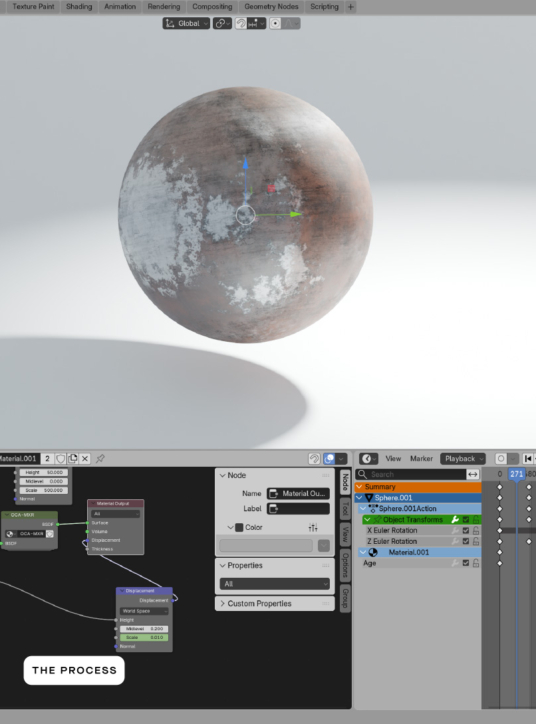
High-resolution displacement and normal maps allow surfaces to capture fine imperfections and subtle surface noise while maintaining optimisation and rendering efficiency.

Digital material studies are often built through layered processes including: 


  • texture mapping  
  • displacement  
  • lighting  
  • rendering  
  • specularity  
  • post-production  


No single tool defines the outcome. Realism emerges through the careful layering and refinement of many small decisions.

Materials as Storytelling

Materials communicate time.

Leather evolves through interaction – softening, darkening and creasing through repeated use. Wood records touch through wear. Metal reacts visibly to atmosphere and exposure.

By introducing weathering, oxidation and signs of use into digital visualisation, objects begin to suggest narratives:

  • Who interacted with them?
  • How long have they existed?
  • What environments have shaped them?

Imperfection becomes a form of storytelling.

Much like the interiors of Ferrari vehicles, leather surfaces gain character precisely because they are used.


Scanned Reality & New Workflows

Emerging workflows including scanned 3D assets, photogrammetry and gaussian splats are increasingly influencing visualisation practices across the industry.

These technologies capture the nuanced complexity of real-world surfaces – preserving irregularities, tonal variation and material behaviour that can be difficult to recreate manually.

Rather than replacing digital craft, these tools expand the possibilities for realism and material exploration.


Closing Reflections

Designing for longevity means recognising that materials – and therefore environments – are constantly evolving.

Digital craft allows us to simulate ageing, wear and environmental impact before something is physically built, helping us create spaces that feel emotionally authentic while designing more consciously for the future.

Author Bio

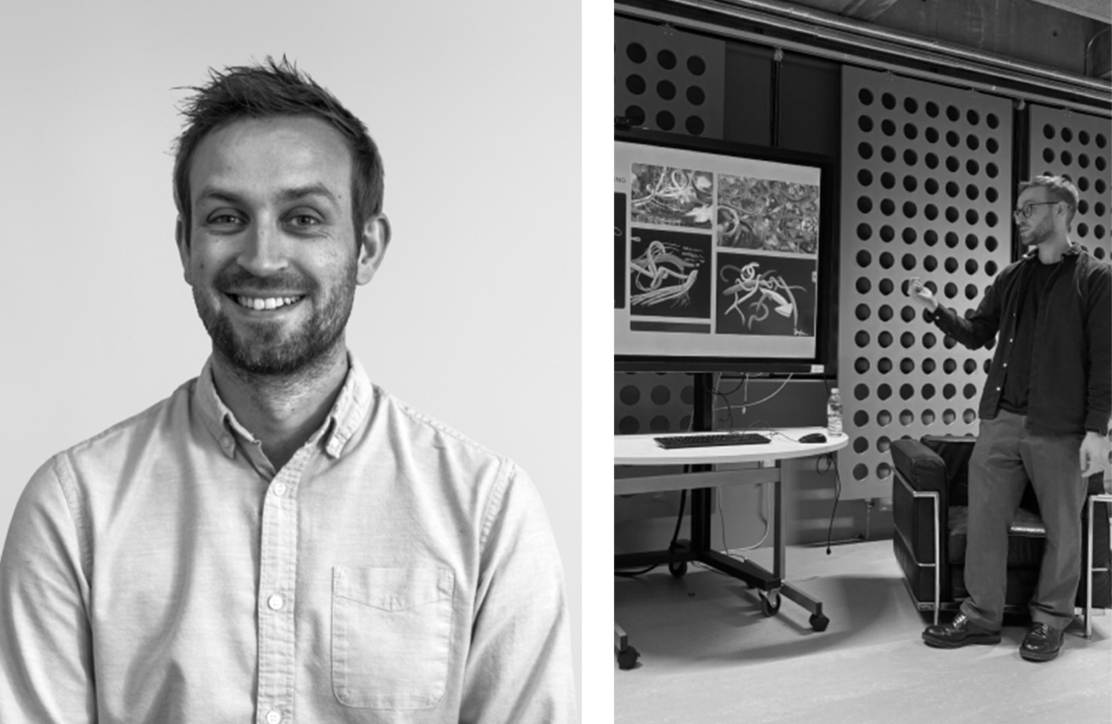
Edward Price is a Senior Visualiser specialising in a range of software including 3D Studio Max, Corona and Unreal Engine. He Studied at the University of Sunderland, gaining an MA in Design, Multimedia & Graphics and has over 15 years experience working in the creative design industry.