
11.02.2026
How Has Experience Become the New Luxury Currency?
“Retailing — across all sectors, not just luxury — relies on emotion. Consumers have to be attracted to the brand and increasingly the lifestyle or values they evoke. Above all, it is about creating experiences, particularly in physical space.”
— Ian McGarrigle, Founder, World Retail Congress
The luxury sector has weathered a prolonged period of pressure: slowing growth, sustained price inflation, and a consumer who feels increasingly in control. The democratisation of luxury through social media and resale has softened traditional notions of exclusivity, while rising prices have placed greater strain on perceived value.
Younger consumers, in particular, are less persuaded by heritage alone. They are drawn to brands that reflect identity, values and cultural relevance. In this context, product is the minimum entry requirement. Experience is what creates distinction.
Luxury has always been about more than the object. Today, it is about presence.
As consumers grow more selective — squeezed by inflation, overwhelmed by digital choice, and increasingly disengaged from screen-based living — the value equation of luxury is shifting. Ownership alone no longer guarantees desire. Experience does.
Experience, in this sense, is the orchestration of space, service, story and culture into a reason to visit.
Why Has Digital Convenience Driven a Return to Stores?
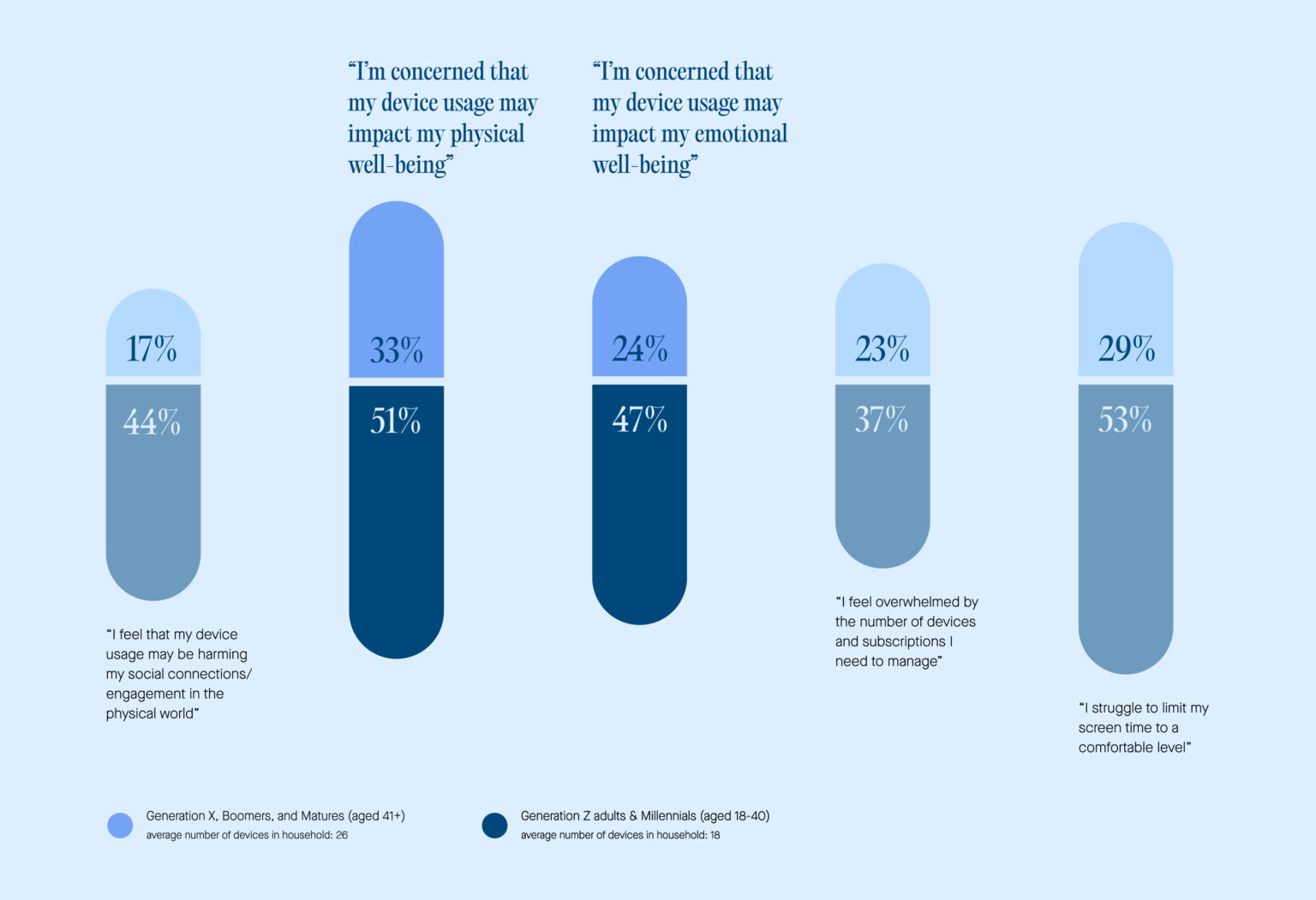
Digital retail has delivered convenience at scale, but often at the cost of emotion. Beyond the effects on retailers, consumers in general are sick of – and physically sick from – interfacing with technology, as quantified in the 2023 Deloitte survey on Digital Fatigue. Endless choice has created consumer exhaustion, while increased screen time has fuelled a renewed appetite for real-world connection.
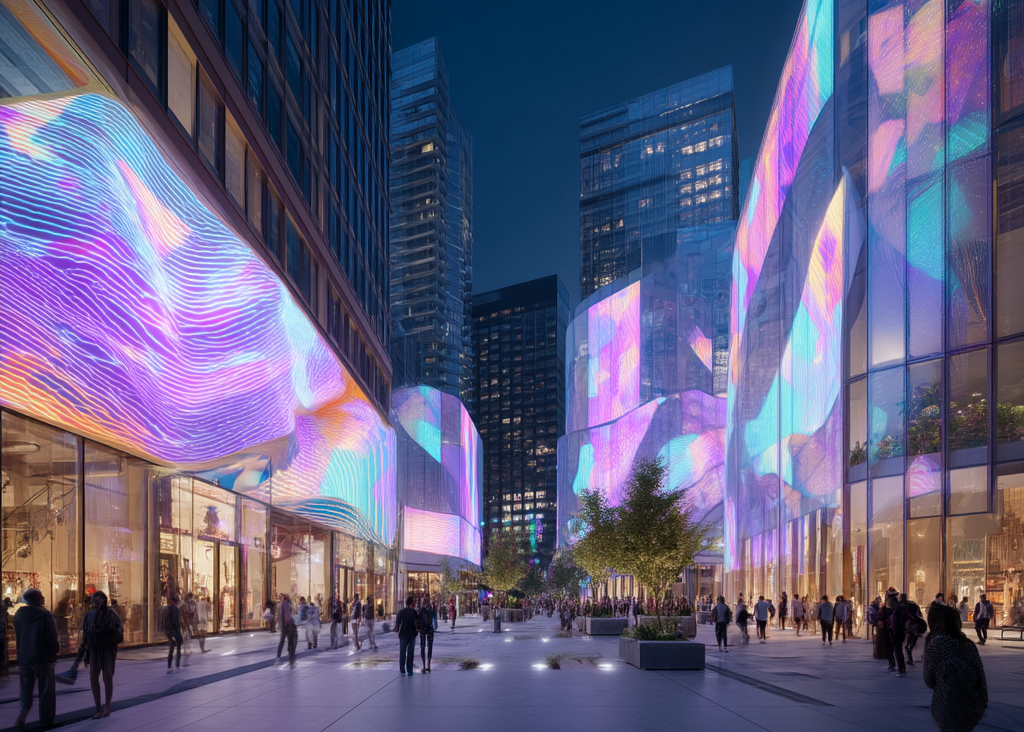
This is where physical retail regains its power — not as a transactional environment, but as a destination. A place to discover, to pause, to belong.
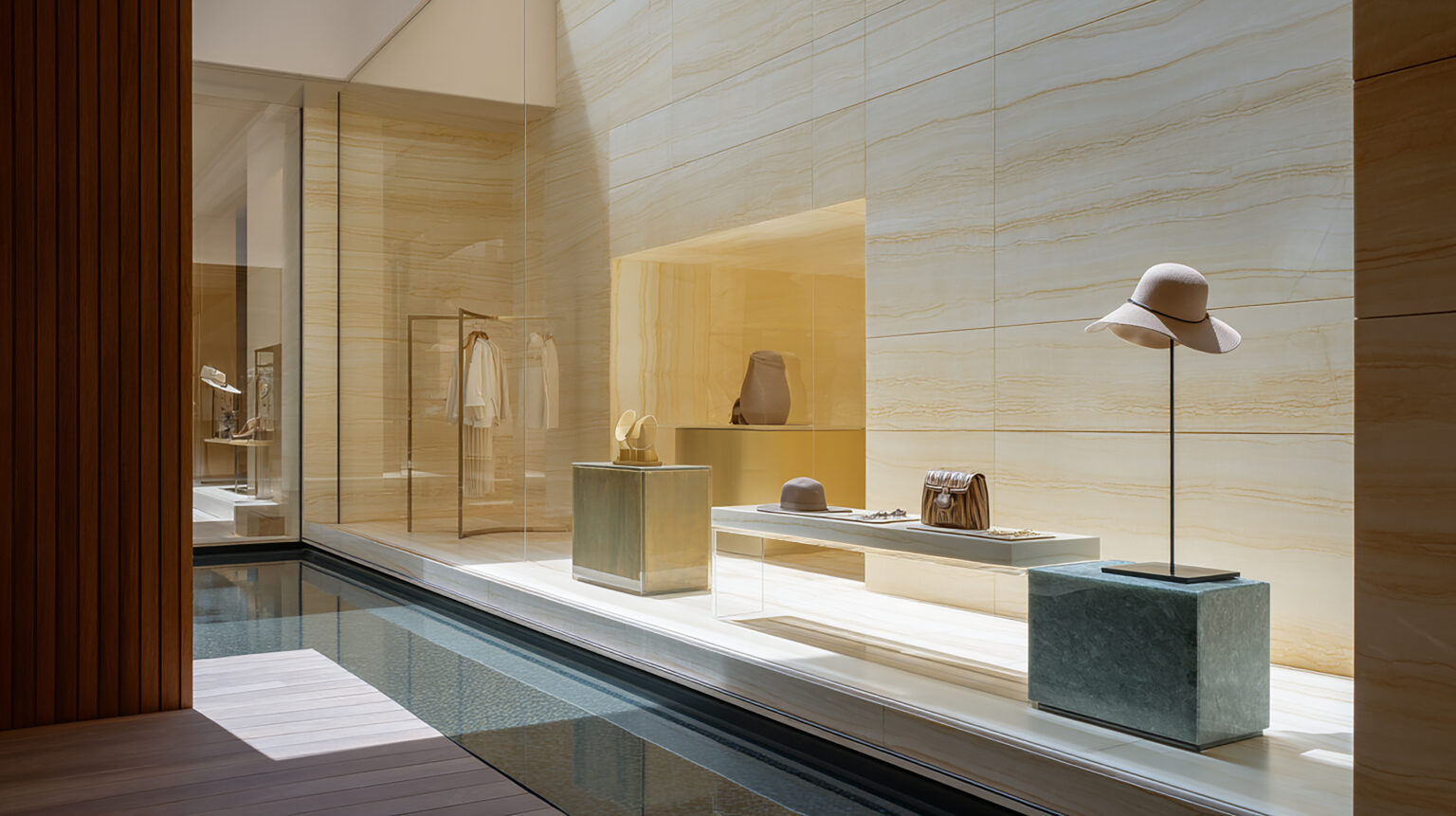
Despite economic headwinds, brands are reasserting the importance of flagships, salons and immersive concept formats in prime locations. Physical space is once again being used to create desire — not through excess, but through meaning. Stores are expected to deliver something that digital cannot: atmosphere, human connection and a sense of occasion.
No brand recognised this shift earlier, or executed it more decisively, than Apple.
What Can Luxury Retail Learn From Apple?
In the late 1990s, Apple’s products were revolutionary, but the way they were sold was not. The brand relied on big-box electronics retailers, where Macs sat among a jumble of beige PCs, often sold by staff who struggled to articulate what made them different.
Steve Jobs recognised the disconnect immediately. If Apple was built on design-led innovation, its retail environments needed to embody the same principles.
When the first Apple Stores opened in 2001, they rejected hard selling in favour of openness, simplicity and hands-on discovery. These were not stores in the traditional sense — they were invitations to engage. Over time, Apple scaled this approach globally, transforming its spaces into architectural landmarks and civic forums that blurred the boundaries between retail, culture and community.
From Bangkok to Beijing to Washington D.C., Apple Stores are designed not simply to sell products, but to host people. While Apple is not a luxury brand in the traditional sense, its retail model offers a powerful lesson: when space expresses brand values with clarity and confidence, it builds emotional loyalty that transcends transaction.
How Does Experience-Led Design Create Longevity in Luxury Spaces?
The lesson is clear: when retail becomes experiential, it becomes resilient.
Well-designed spaces build emotional equity, cultural relevance and long-term loyalty — qualities an algorithm can’t replicate. Purposeful environments encourage repeat visitation, deepen brand affinity and allow luxury brands to evolve without losing coherence.
In a world where everything is available everywhere, the rarest luxury is a reason to be present. In this context, experience is no longer an enhancement to luxury. It is central to its future.
Access the full report: thefutureofexperience.com