
17.03.2026
Five Retail Lessons from History’s Iconic Department Stores
“Shopping should be fun”
— Harry Gordon Selfridge
Long before the concept of the “experience economy” became a widely discussed concept, one Parisian store was already proving its power.
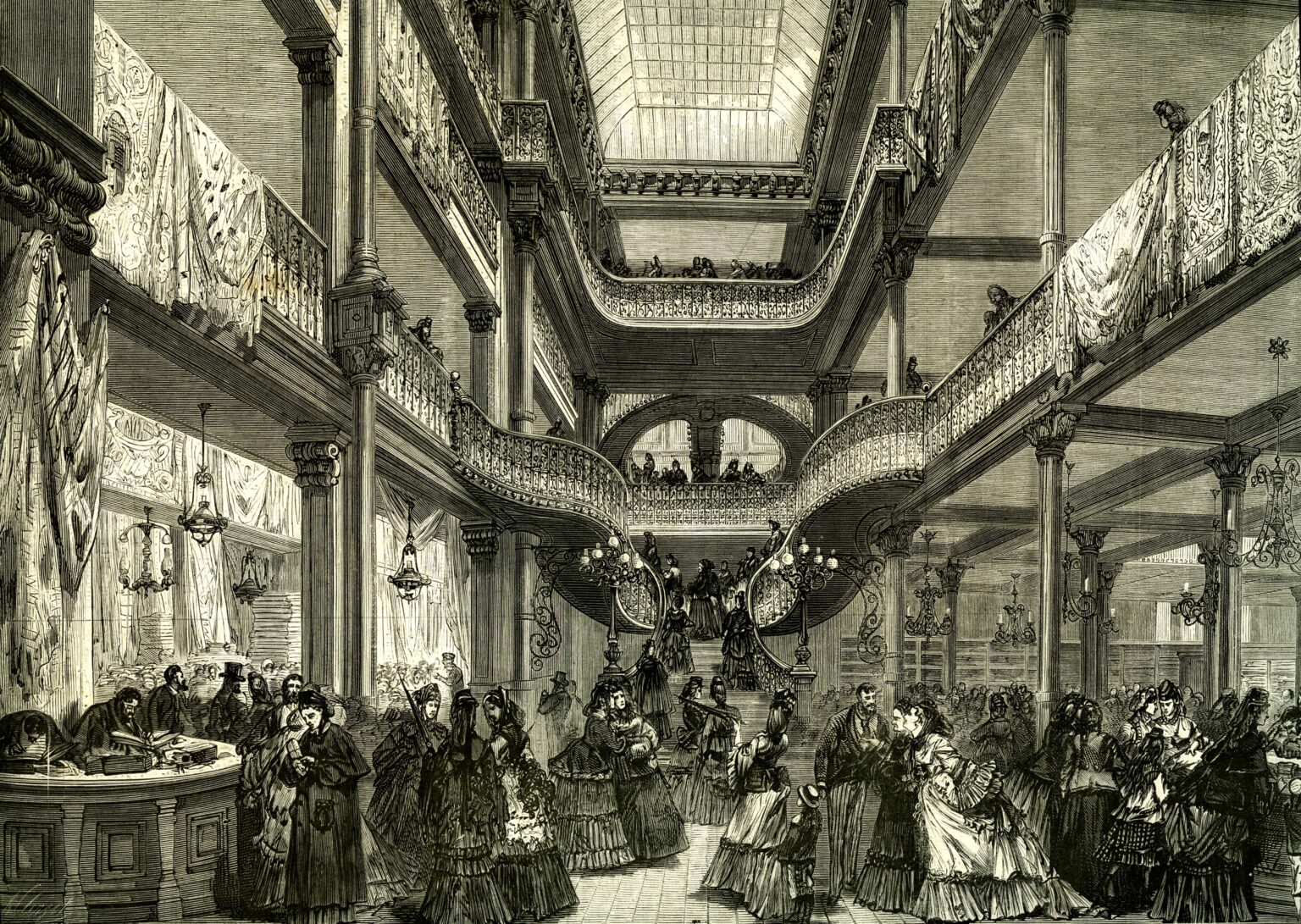
In 1852, the visionary retailer Aristide Boucicaut transformed a modest hatmaker’s shop on Rue de Sèvres into something radically new: Le Bon Marché.
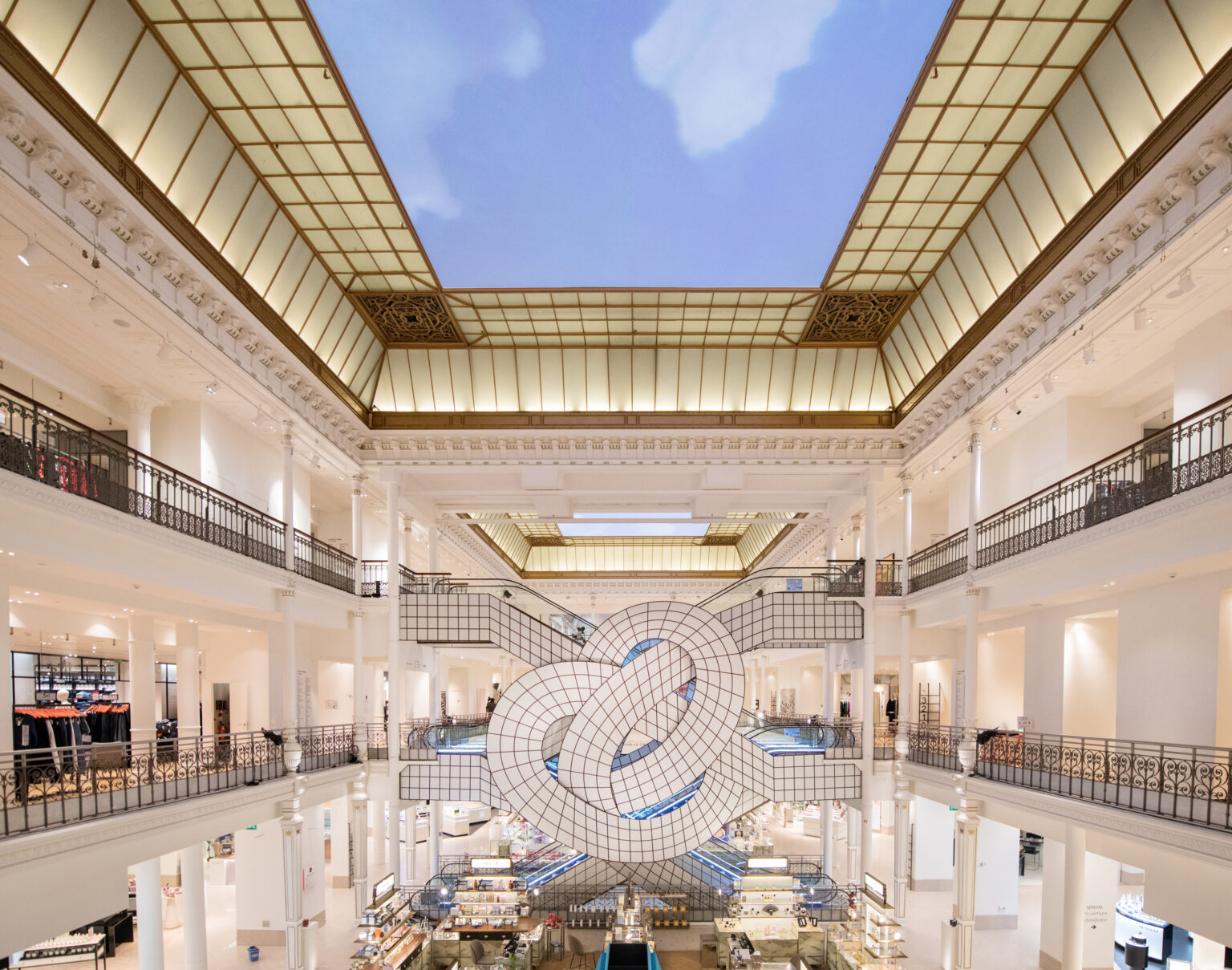
More than a place to buy goods, it was conceived as a destination. With soaring iron galleries, expansive glass ceilings and open atriums designed to flood the store with natural light, the architecture invited visitors to linger rather than rush through transactions.
Boucicaut also introduced innovations now taken for granted: fixed pricing, product returns, home delivery and free entry. Shopping, therefore, became more accessible, social and pleasurable. The store quickly evolved into a cultural landmark — proof that retail could be spatial, social and experiential.
More than a century later, as retail navigates digital disruption and shifting consumer expectations, the spirit of Le Bon Marché endures. Boucicaut didn’t just sell goods, he sold an experience, a moment of magic, a reason to stay. In an era hungry for connection, inspiration, and joy, the below five lessons from Le Bon Marché remain not only relevant – they’re essential.
Retail Lesson 01: Why Sense of Place Still Matters in Retail
A strategically positioned new storefront and entrance along Karl Johans Gate, the capital’s main thoroughfare, the historic department store – Steen & Strøm – has been revitalised through a series of major renovations that reinforce its identity as the “Store of Oslo.” Architecture, brand curation and local culture combine to create an environment rooted firmly in its context. Scandinavian fashion brands sit alongside international labels, reinforcing the Nordic lifestyle that defines the store’s character. Rather than replicating a global luxury template, Steen & Strøm builds differentiation through contextual relevance.
In an era where many retail environments feel interchangeable, The lesson is clear: a sense of place emerges when locality is embedded into the experience.
Retail Lesson 02: Can Shopping Become Social Theatre?
Le Bon Marché continues to champion the idea that the stores is a cultural platform.
At Le Bon Marché today, the central atrium functions as a cultural stage where installations, art exhibitions and immersive collaborations transform the act of shopping into a shared spectacle.
From the skateboarding spectacle of Le Cube to Leandro Erlich’s playful optical illusions woven into the store’s escalators, these interventions blur the boundaries between retail and cultural programming.
Brands are increasingly embracing this vision also. Dior’s Galerie Dior in Paris turns brand heritage into an art exhibition, while Gucci Cosmos reimagines the archive as a travelling, multisensory installation.
Together, these initiatives signal a new era of brick-and-mortar: one where the store becomes a stage, the shopper a participant, and culture the real currency.
Retail Lesson 03: Why Food & Beverage Drives Retail Experience ?
Food experience has always been part of the department store DNA, but few retailers have elevated it quite like Harrods.
What began as a modest grocer in nineteenth-century London has evolved into one of the world’s most celebrated culinary destinations. Today, the iconic food halls combine Belle Époque architecture with immersive retail theatre, where ingredients are displayed like jewellery and chefs prepare dishes in full view of visitors. Harrods has also extended this identity internationally through tea rooms and dining concepts in cities such as Shanghai and Doha.
In this settings, food becomes more than an amenity; it becomes a brand signature — one that travels globally while reinforcing heritage.
Retail Lesson 04: Is Service the Ultimate Luxury in the Age of Automation?
Amid all the innovation in retail – AI, personalisation, omnichannel – one thing remains constant: the most successful stores deliver great service.
Service today is not just about politeness at the counter. It’s about operational excellence and emotional intelligence, enabled by both people and systems.
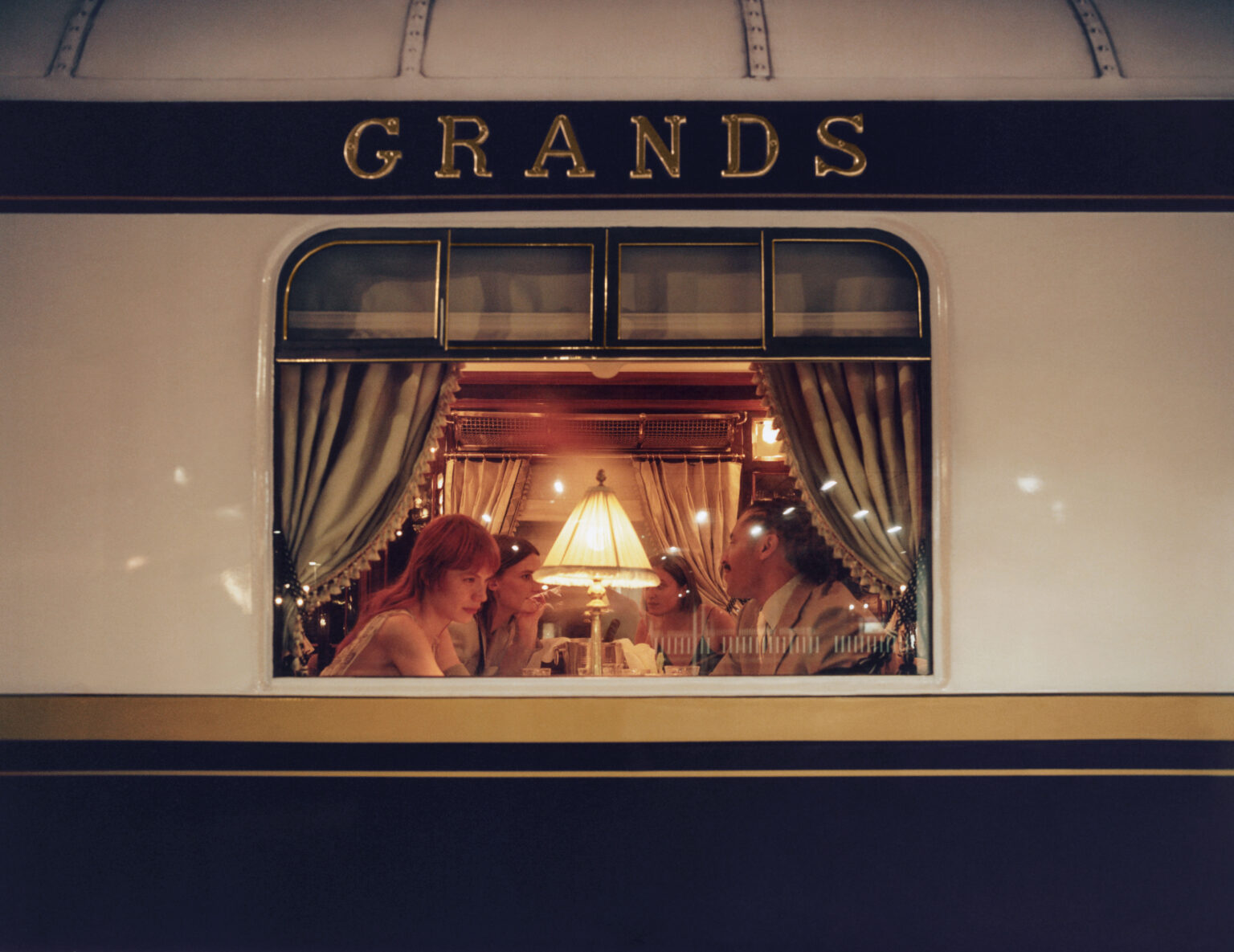
LVMH’s Belmond hotels are renowned for intuitive, anticipatory service, emphasising consistency, personalisation, and human warmth– all elements increasingly expected in high-end retail environments. The core of the philosophy is also placing human connection at the centre of the experience rather than treating service as an operational function.
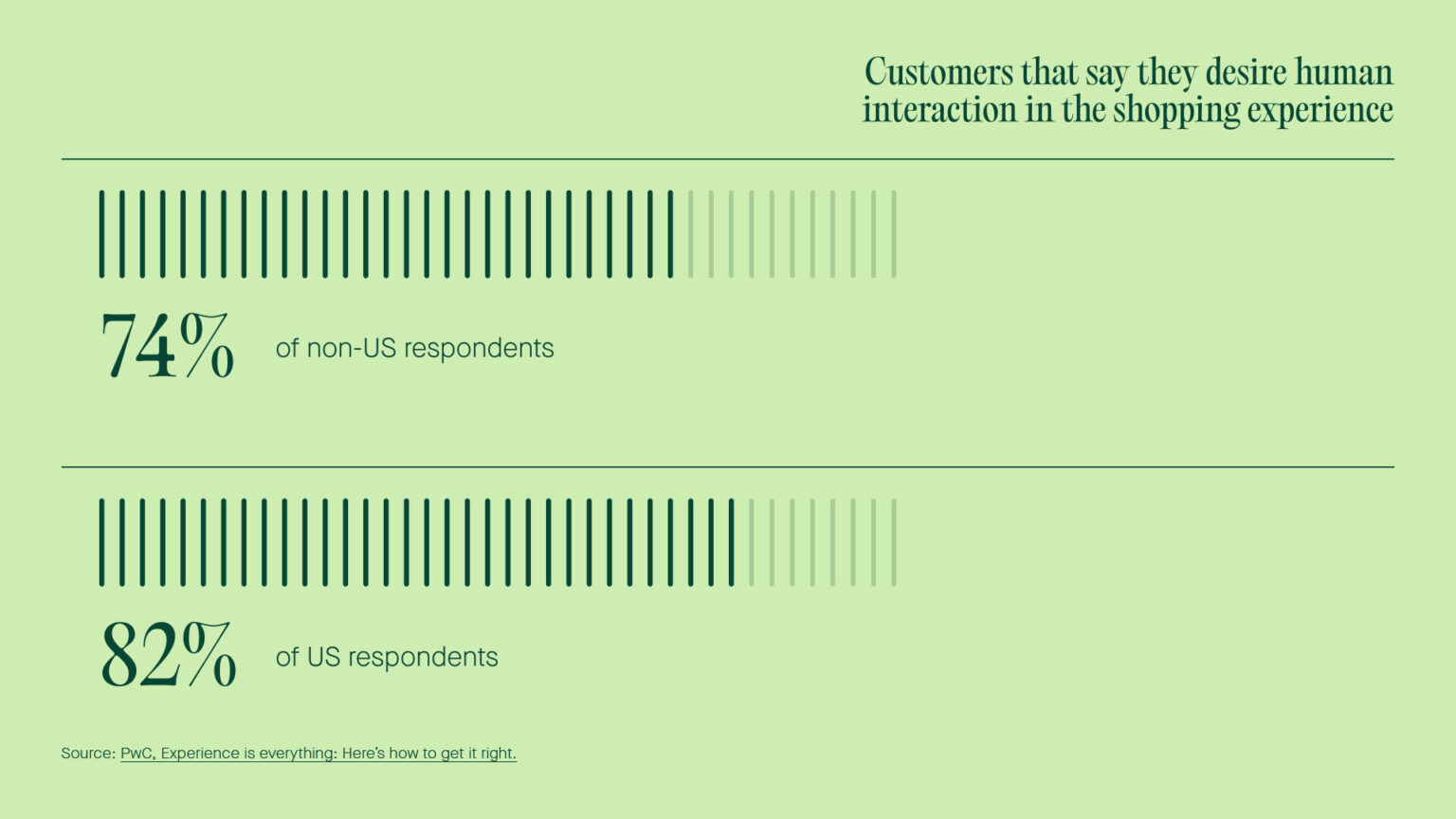
In a digital world defined by efficiency and automation, human interaction has become the true luxury. When executed well, service does more than facilitate transactions — it builds trust, loyalty and emotional connection.
Retail Lesson 05: How Do Moments of Wonder Drive Retail Loyalty?
“Shopping should be fun,” famously declared department store pioneer Harry Gordon Selfridge. More than a slogan, the idea captured a philosophy that continues to shape Selfridges’ strategy.
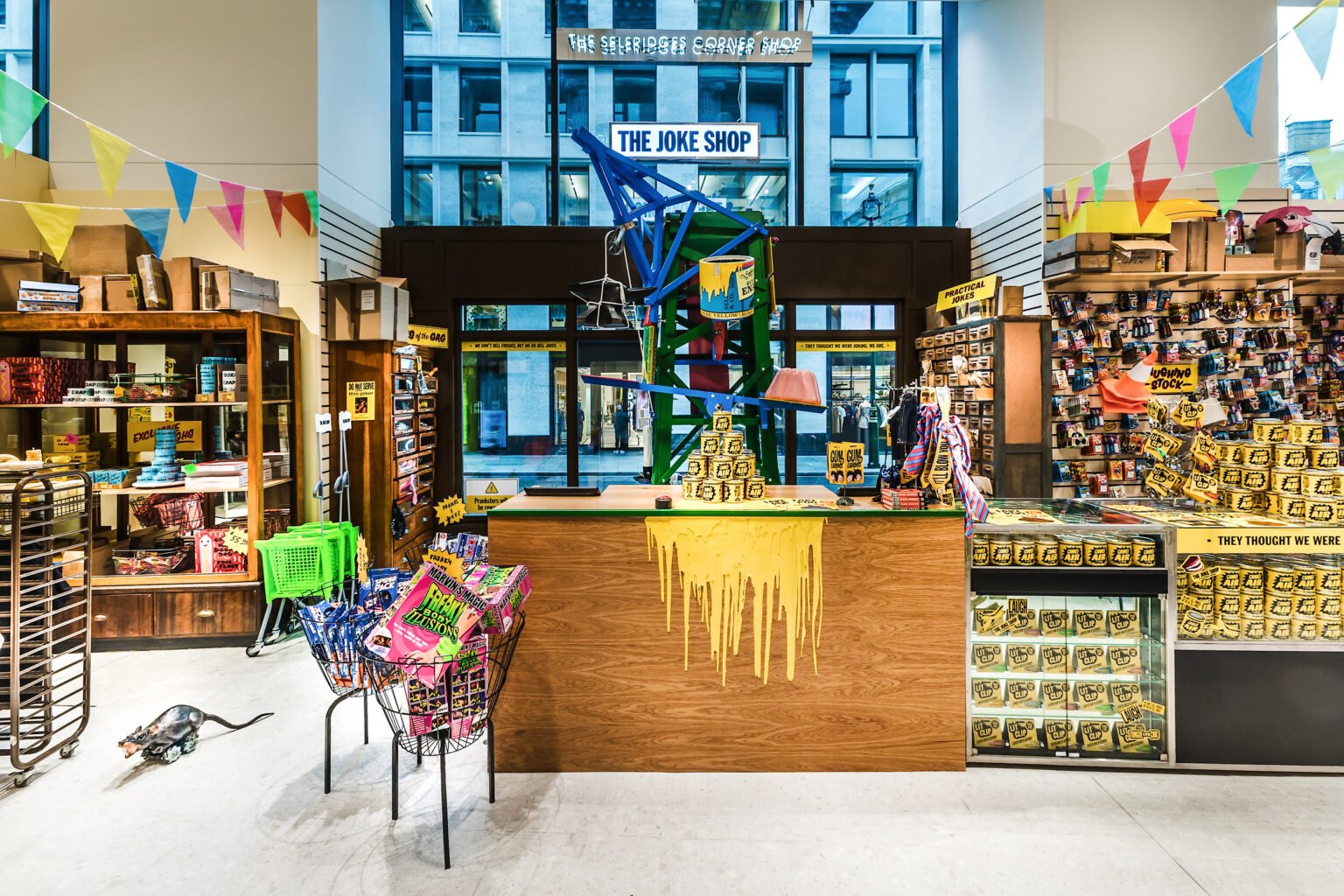
Its Corner Shop, located at the intersection of Oxford Street and Duke Street, operates as a constantly evolving visual billboard for brands. Initiatives such as Supermarket, which explored the future of sustainable retail, or themed pop-ups, for examples, Joke Shops, that reinterpret British humour, demonstrate how creativity can drive footfall and media attention.
These moments of delight are not incidental — they are strategic, designed to create emotional peaks that people remember, share and revisit.
To decode the future of retail, our lens cannot stop in Europe. Our next insight turns to Asia and the Middle East, — where new scales, new ambitions, and new dimensions of retail experience are emerging.
Access the full report: thefutureofexperience.com