06.05.2026
AI in Architecture: How Design Workflows Are Changing
How Is AI Changing Architectural Design Workflows?
At the ATN Summit 2026, one theme emerged with clarity: AI is no longer a peripheral tool in architecture. It is beginning to reshape the structure of design itself.
For practices today, the question is not whether to adopt AI, but how to engage with it critically — without compromising the integrity of the discipline.
What Does AI Mean for Architectural Practice Today?
AI is reshaping architectural process by compressing design cycles, enabling rapid feedback, and shifting practice toward continuous, data-augmented decision-making within adaptive workflows.
Design knowledge, once accumulated and applied incrementally, is becoming more fluid — able to move across projects, constraints, and typologies with greater ease.
This is not simply an efficiency gain. It represents a change in how architectural thinking is deployed.
How Are Design Workflows Evolving?
The traditional linear workflow is beginning to fragment.
In its place, more flexible systems are emerging:
- Processes broken into discrete, optimised stages
- Targeted integration of AI within specific design phases
- Early-stage restructuring of workflows to accommodate AI from the outset
There is no single model. What is evident is a broader shift towards workflows that are more responsive, iterative, and non-linear.
What Happens to Authorship in an AI-Driven Process?
As AI becomes embedded within design workflows, authorship becomes less singular and more distributed.
This raises important questions:
- How is authorship defined when outputs are co-generated?
- Where does creative intent sit within a generative process?
- What constitutes core architectural knowledge in this context?
Prompt design, in particular, is emerging as a new form of authorship — one that begins to parallel spatial thinking in its ability to shape outcomes.
How Are Expectations Around Visualisation Changing?
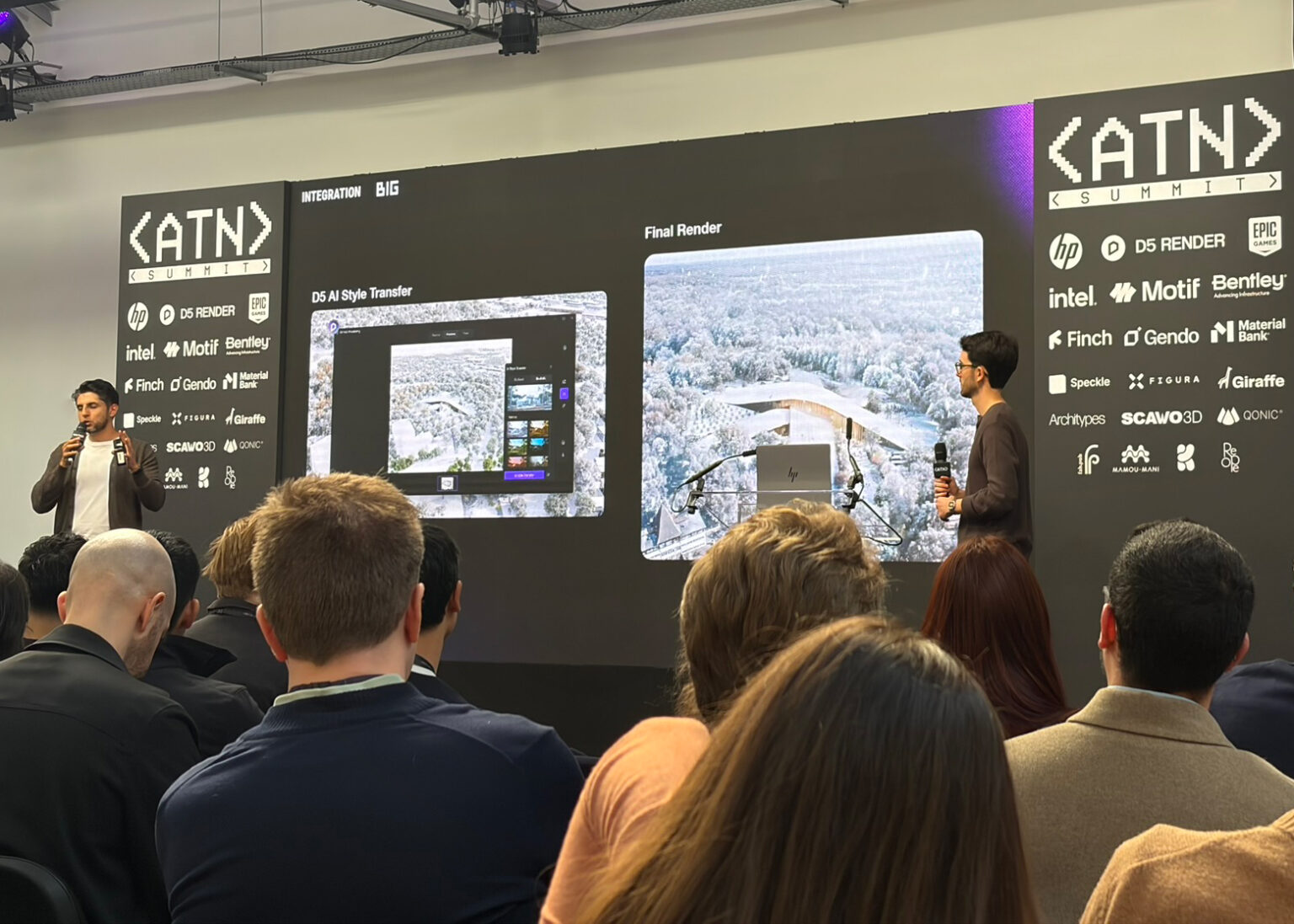
AI-driven visualisation tools are rapidly recalibrating industry expectations.
High-quality outputs are now faster to produce, easier to access, and increasingly standardised – as a result, visualisation is shifting from a point of differentiation to a baseline expectation — compressing timelines while raising the overall level of output.
Does AI Change Accountability?
Despite these shifts, one principle remains constant: accountability.
Responsibility for design outcomes does not transfer to the tool. It remains with the architect and designer.
AI expands capability, but it does not dilute authorship in its professional sense.
Why Does the Physical World Still Anchor Architecture?
Amid accelerating digital capability, architecture remains inherently physical.
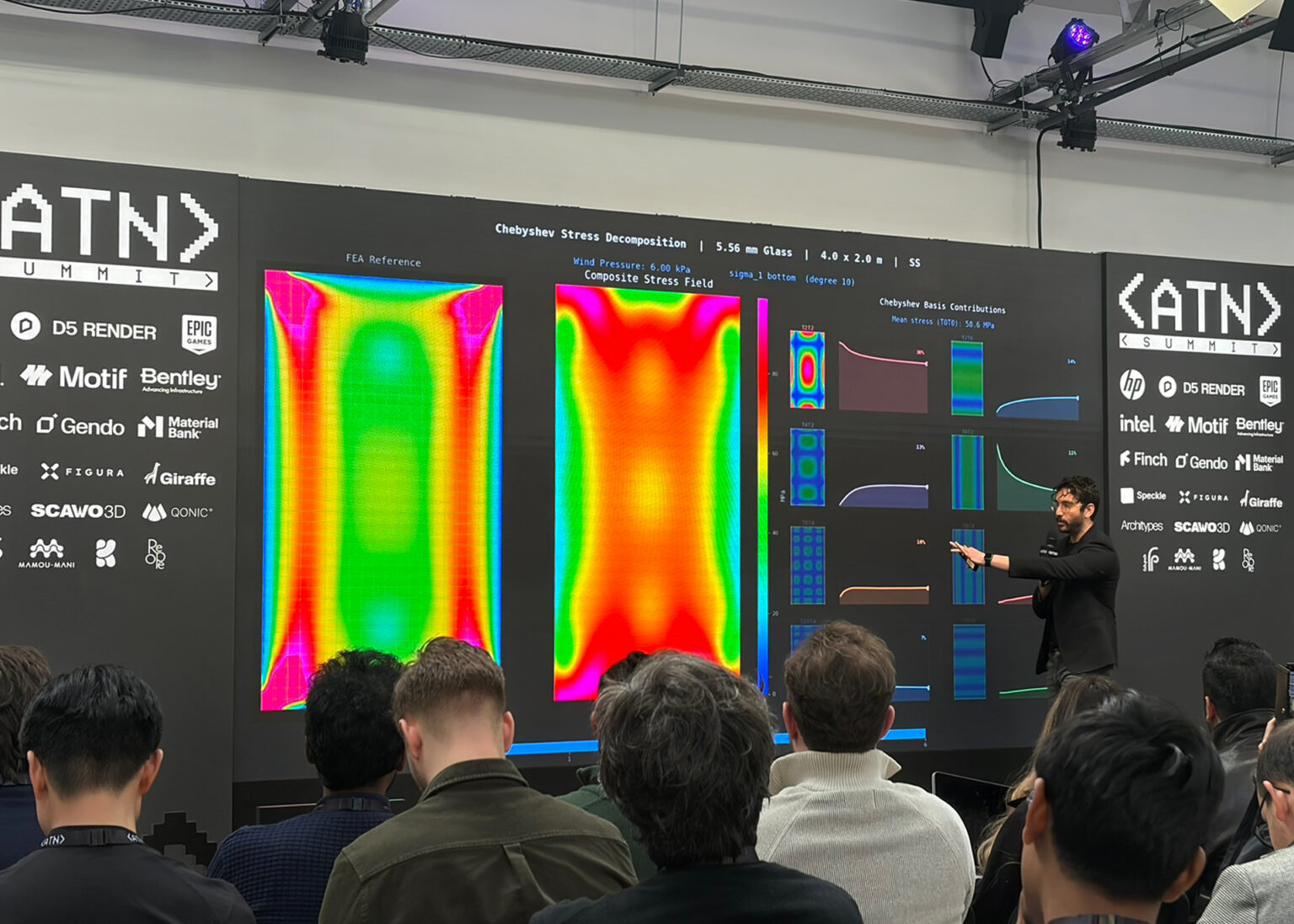
Material behaviour, fabrication logic, and environmental response continue to define the success of a project. These are not variables that can be abstracted entirely into computational processes.
The discipline remains grounded in what is built, not just what is generated.
What Comes Next for AI in Architecture?
AI is not replacing architectural practice. It is rebalancing it.
It introduces new tools, new forms of literacy, and new modes of working. At the same time, it sharpens the importance of foundational architectural thinking.
The defining question is not technological, but critical: How deliberately will the discipline choose to engage with this shift?
CONTRIBUTOR:
Sai Lertluechachai, BIM Manager