27.04.2026
Retail as Catalyst: How the Middle East Is Reframing the Cities of Tomorrow
“The cities of tomorrow won’t compete on size, spectacle, or scale. They’ll compete on resonance – on the capacity of a space to be remembered, revisited, and recommended.”
– Elias Tamer, 20-20 Studio
What Are Cities Being Built For Today?
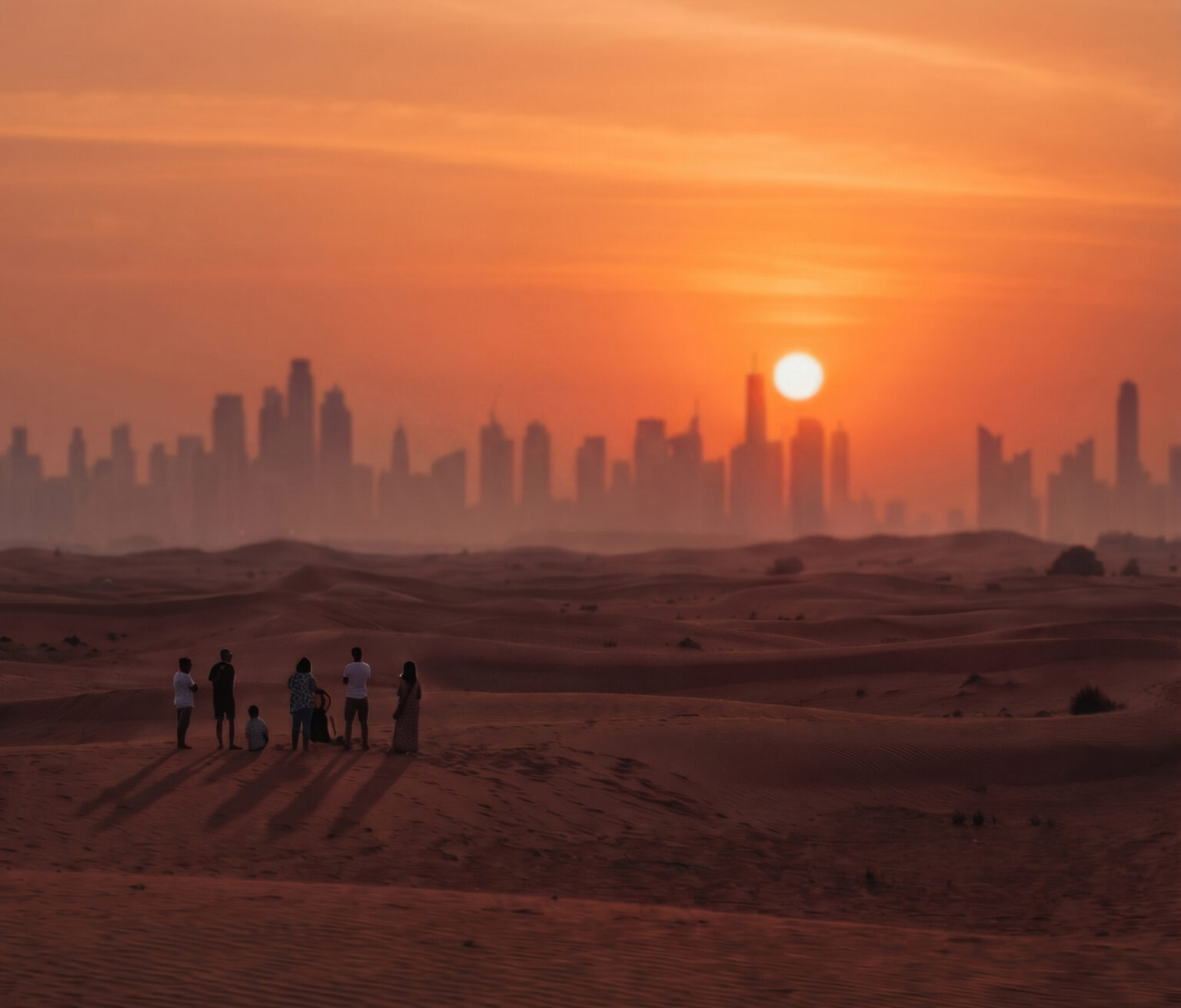
At a time marked by both global uncertainty and regional conflict, the role of cities is being reconsidered—not only in terms of growth, but in terms of resilience, relevance, and responsibility.
Across parts of the Middle East, this question is being approached with renewed focus. Ambition remains a defining characteristic of the region, but it is increasingly tempered by a need to create places that are enduring, adaptable, and meaningful to the people who inhabit them.
Where once scale and spectacle dominated, a more deliberate agenda is emerging—one shaped by experience, identity, and cultural continuity.
Retail sits within this shift. Not as a standalone destination, but as one of several tools that can help shape how cities are experienced, and how they support everyday life.
Why Is Retail No Longer a Standalone Asset?
Retail is no longer being planned in isolation.
Instead, it is embedded within wider ecosystems—interwoven with culture, hospitality, and public life. This reflects a broader recalibration of priorities: from singular destinations to more integrated, human-centred environments.
“It’s less about where you put retail and more about how you feel moving through it, framing every step as part of cultural sensory journey.”
– Beverley Churchill, Founder & CEO, Churchill & Partners
Developments are no longer simply asking where retail should sit, but how it can contribute to a more cohesive and supportive urban experience—how it encourages movement, fosters connection, and creates moments of familiarity and comfort.
In this context, retail becomes connective rather than central.
Its role is to support the life of a place, not define it.
From Spectacle to Resonance
For decades, cities competed on scale. The Middle East, in particular, became associated with projects defined by their ambition and visibility.
Today, that lens is shifting.
In a context where cities are also shaped by uncertainty, the emphasis is moving toward resonance—the capacity of a place to feel meaningful, to foster belonging, and to be experienced in a more enduring way.
This introduces a different kind of design brief.
Success is no longer defined solely by how impressive a place appears, but by how it is lived in—how it supports community, reflects identity, and remains relevant over time.
How Is a Young Generation Shaping the Cities of Tomorrow?
Any conversation about the future of cities in the Middle East must account for the people who will define them.
Across the region—particularly in Saudi Arabia—demographics are not a background condition, but a driving force. A predominantly young population is reshaping expectations of what urban life should offer, and how it should be experienced.
“Over 70% of the kingdom’s population is under 35, a generation that has grown up connected, mobile, and globally attuned. Their expectations are multidimensional. They seek depth and identity, but also fluidity and access. They value spaces that are immersive and expressive, where boundaries between living, learning, working, and playing are blurred.”
– Elias Tamer, 20-20 Studio
This generation has come of age in a world defined by constant connection and, more recently, by periods of disruption and uncertainty. As a result, their expectations extend beyond convenience or novelty.
They are looking for spaces that feel relevant to their lives—places that allow for self-expression, foster community, and adapt to different modes of living.
This is where retail takes on a different role.
Rather than being a fixed, static destination, it becomes part of a more fluid urban fabric—one that supports overlap between culture, commerce, and everyday life. Spaces are expected to be flexible, layered, and responsive, offering both stimulation and a sense of grounding.
In this context, designing for youth is not about trend-driven programming. It is about recognising a shift in how value is defined: toward experience, identity, and authenticity.
What Do Leading Projects Reveal?
Across the region, a more layered model is taking shape.
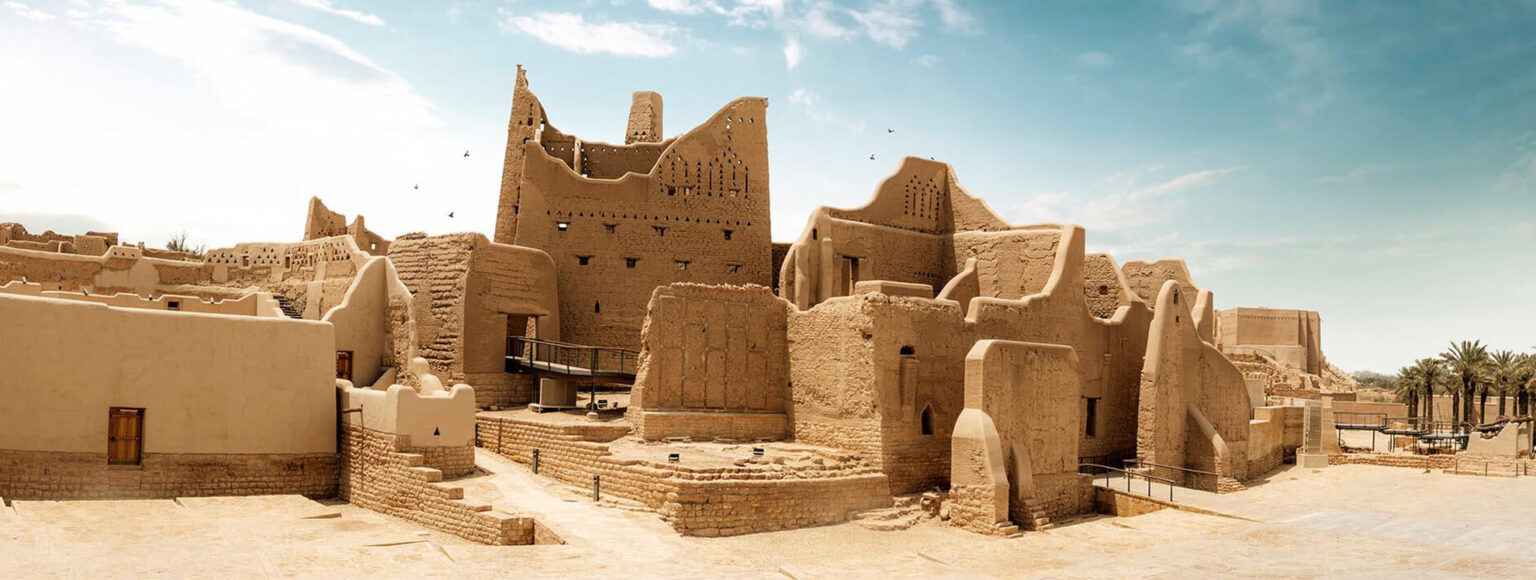
At Diriyah Gate, heritage becomes a framework for continuity—where Najdi architecture is reinterpreted in a way that reinforces cultural identity while accommodating contemporary life.
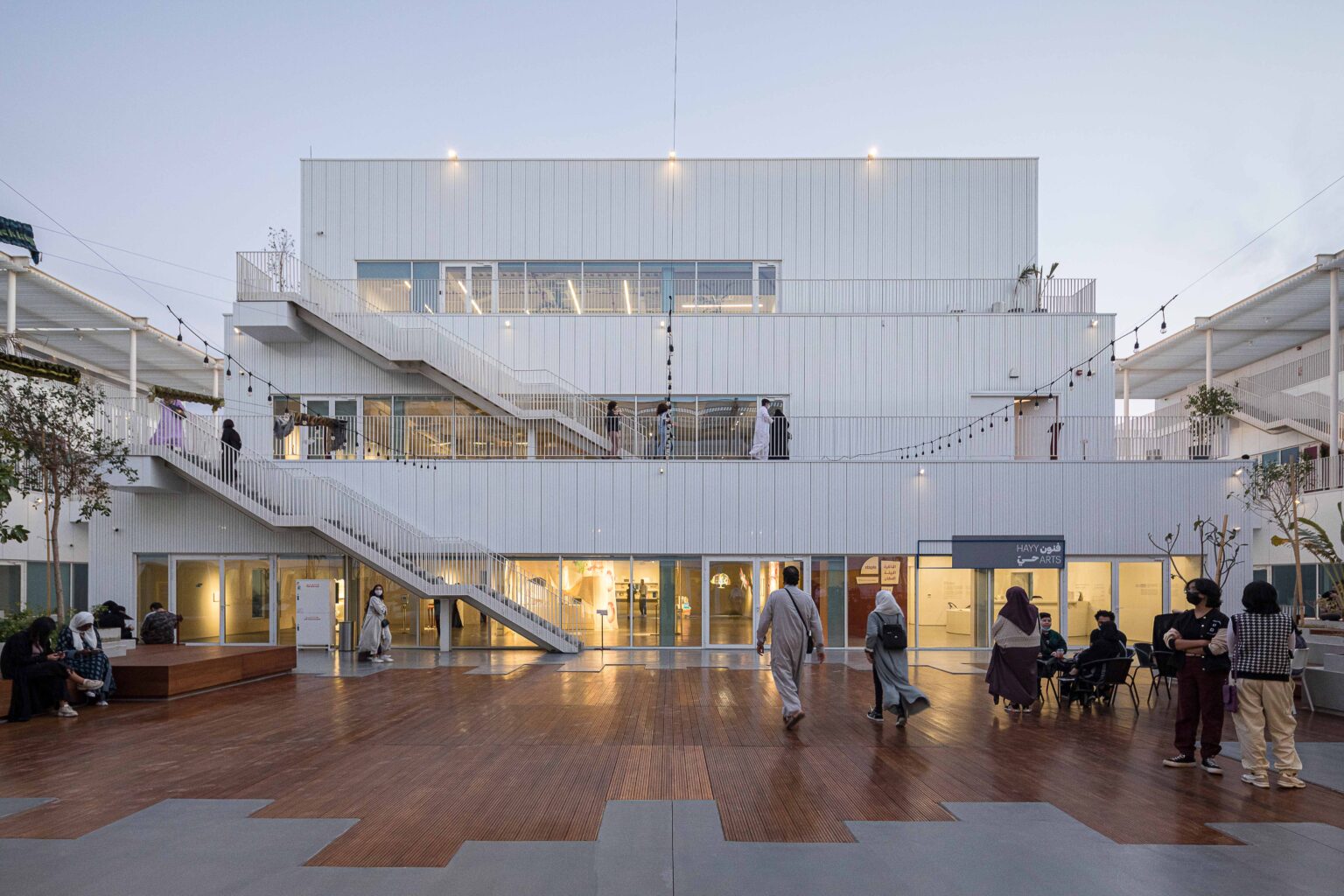
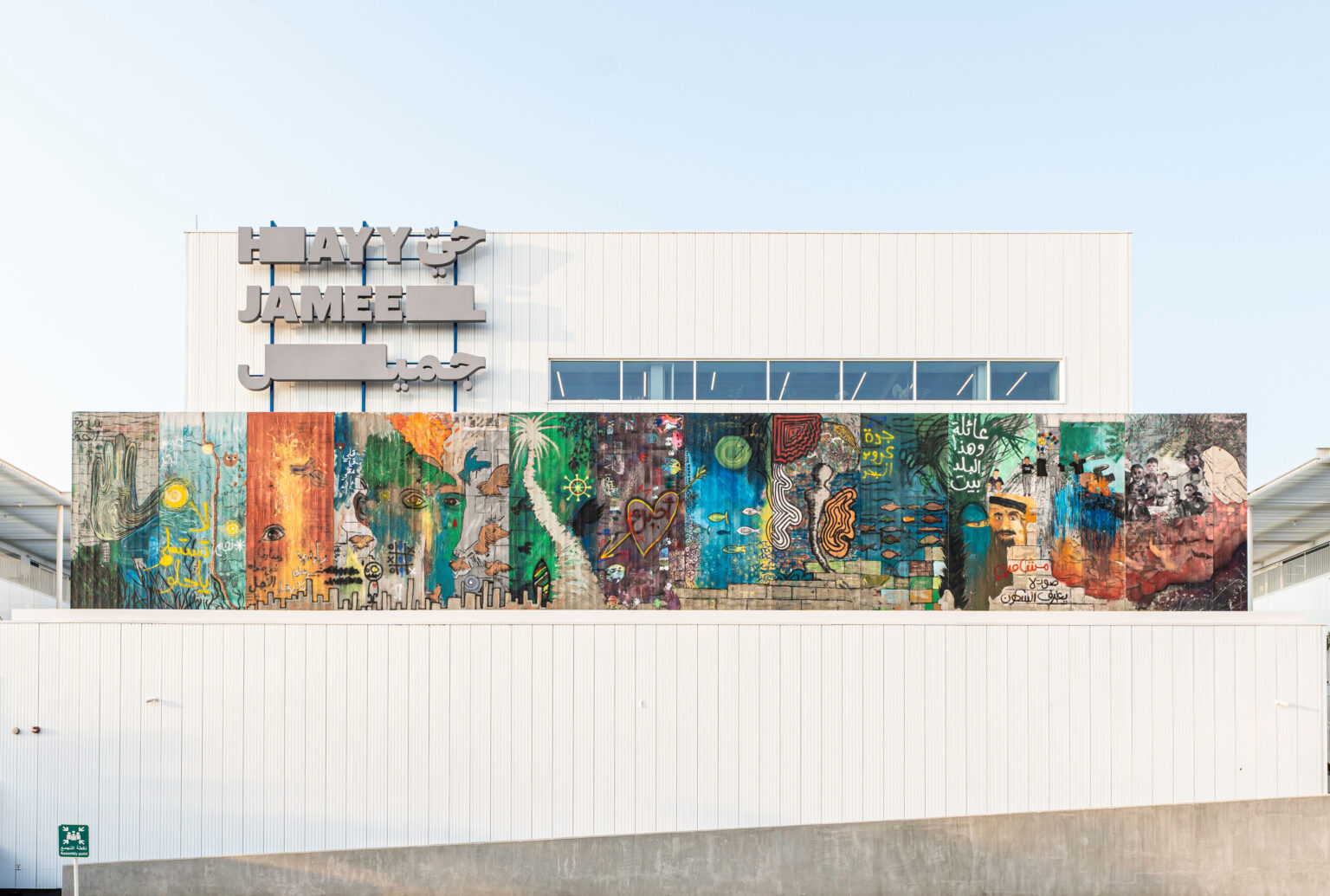
At Hayy Jameel, a more human-scaled approach emerges—where retail, culture, and community intersect in ways that feel accessible, grounded, and locally rooted.
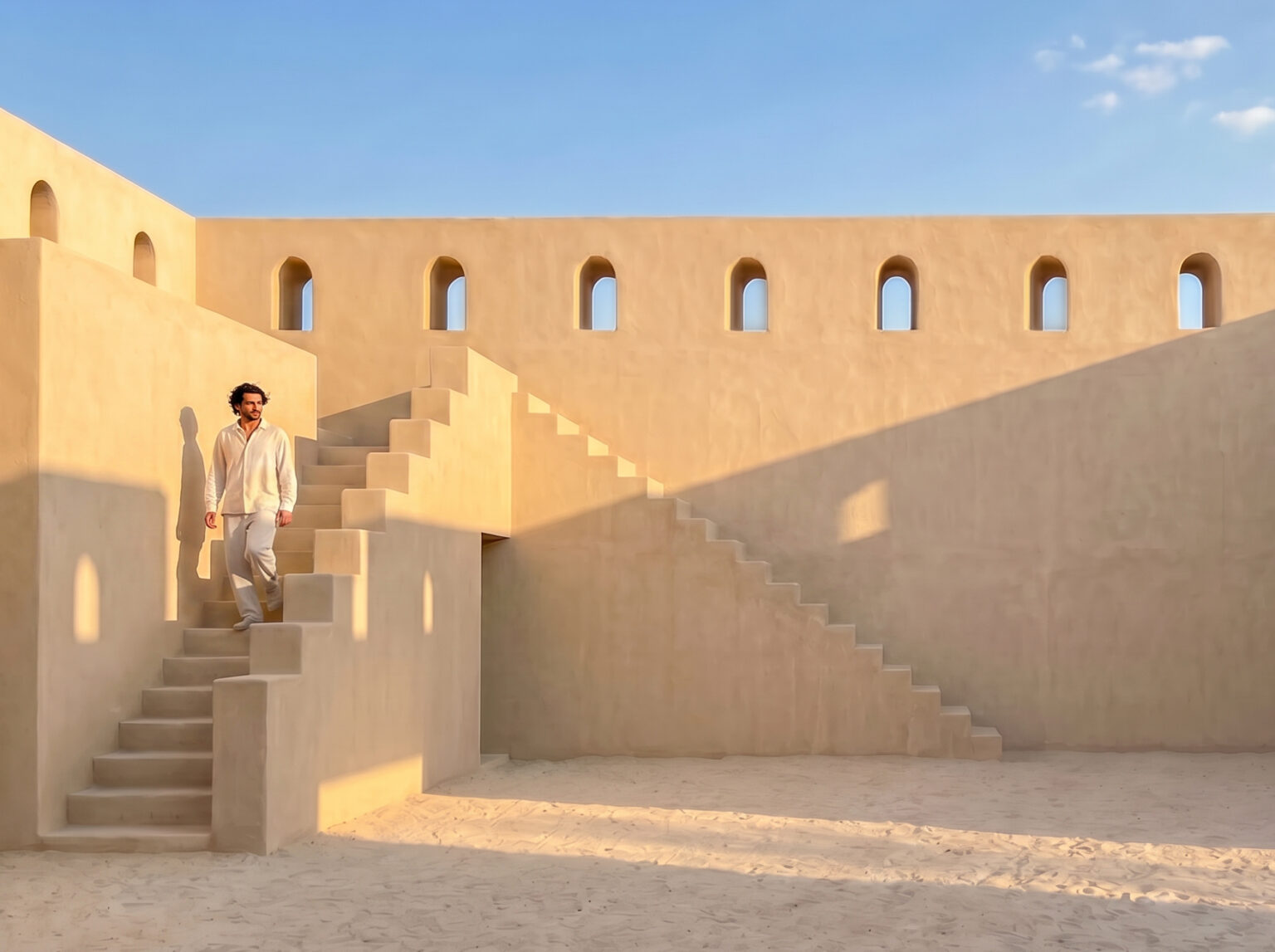
At AlUla, landscape becomes the primary driver—where environmental stewardship and cultural programming shape a destination grounded in experience, preservation, and global cultural positioning.
Despite their differences, these projects share a common principle:
Retail is integrated, contextual, and shaped by the needs and narratives of place.
What Does This Mean for the Future of Cities?
Ambition in the region has not disappeared—it is becoming more reflective, and in some cases, more cautious and intentional.
A shift is underway:
- From scale to substance
- From spectacle to meaning
- From visibility to purpose
- From global to local
Retail is no longer simply a commercial layer.
It is one component in a broader effort to shape cities that people can relate to, return to, and find value in—especially during times of uncertainty.
This has implications far beyond the Middle East.
As cities globally navigate economic, social, and geopolitical pressures, the region offers an evolving perspective: that the future of urban development will be defined not only by what is built, but by how it supports people—both in moments of growth and in periods of strain.