01.07.2026
From Experience to Evidence: Why the Future of Retail Depends on Measuring More Than ROI
Can great design be measured?
For decades, the value of design has often been described in emotional terms. Great places inspire. They surprise. They create memories and foster belonging. Yet for owners, investors and developers navigating increasingly complex retail environments, inspiration alone is no longer enough.
As capital becomes more selective and consumer expectations continue to evolve, a new question is emerging:
Can the impact of design be measured?
To better answer this question, Sybarite partnered with Savills to undertake a global benchmarking study, examining some of the world’s leading department stores and retail destinations.
Looking Beyond Financial Return
The study evaluated 23 department stores and shopping malls across Asia Pacific, Europe, North America and the Middle East against three interconnected disciplines:
- Architecture
- Interior Architecture
- Experience Design & Retail Strategy
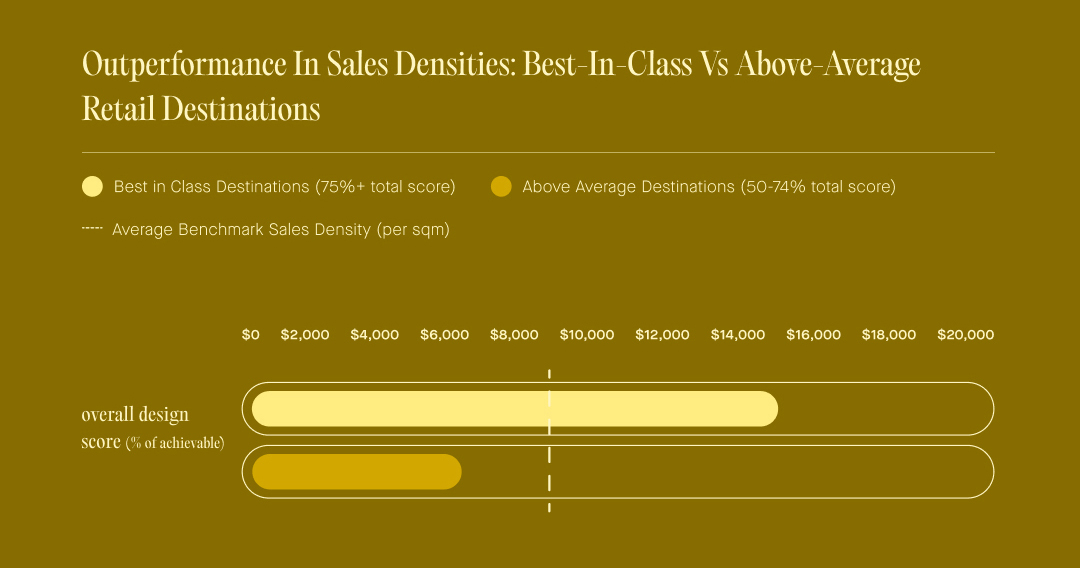
The results revealed a clear directional relationship between design quality and commercial performance.
Best-in-class destinations achieved average sales densities approximately 70 per cent higher than the benchmark average.
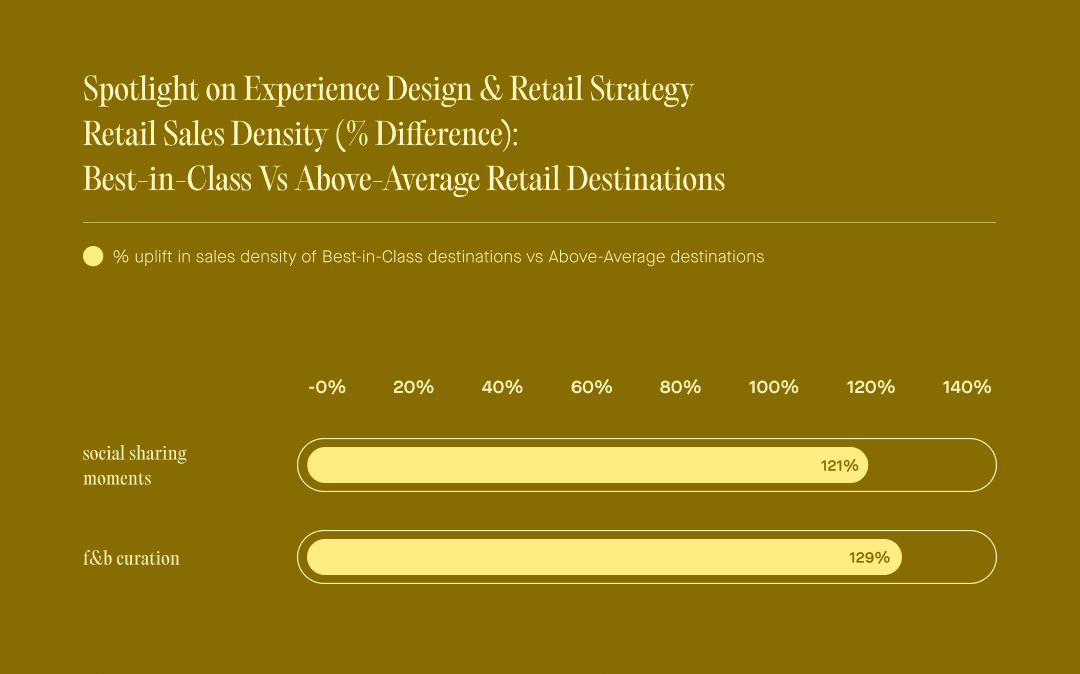
The findings also demonstrated that experience itself carries measurable commercial value. Destinations that successfully integrated opportunities for social sharing together with thoughtfully curated food and beverage experiences consistently outperformed their peers, recording sales performance more than 120 per cent higher than above-average destinations.
Rather than treating experience as a desirable addition to retail, the research suggests it has become one of its strongest commercial drivers.
As Marie Hickey, Director of Commercial Research at Savills, explains:
“When ROI, design, and experience are treated as complementary tools, invested parties have the opportunity to not only improve sales performance but also strengthen customer connection and loyalty—laying the foundation for more sustainable, long-term growth.”
Rethinking What Return Really Means in Retail
This led to the development of the Return Matrix—a framework that expands traditional ROI (Return on Investment) into five complementary forms of value:
- ROD — Return on Design
- ROE — Return on Experience
- ROH — Return on Heritage
- ROL — Return on Loyalty
- ROC — Return on Community
Together these dimensions provide a more holistic way of understanding how great places create lasting value.
What Does the Return Matrix Look Like in Retail Design Practice?
Few retail destinations illustrate these principles more comprehensively than SKP.
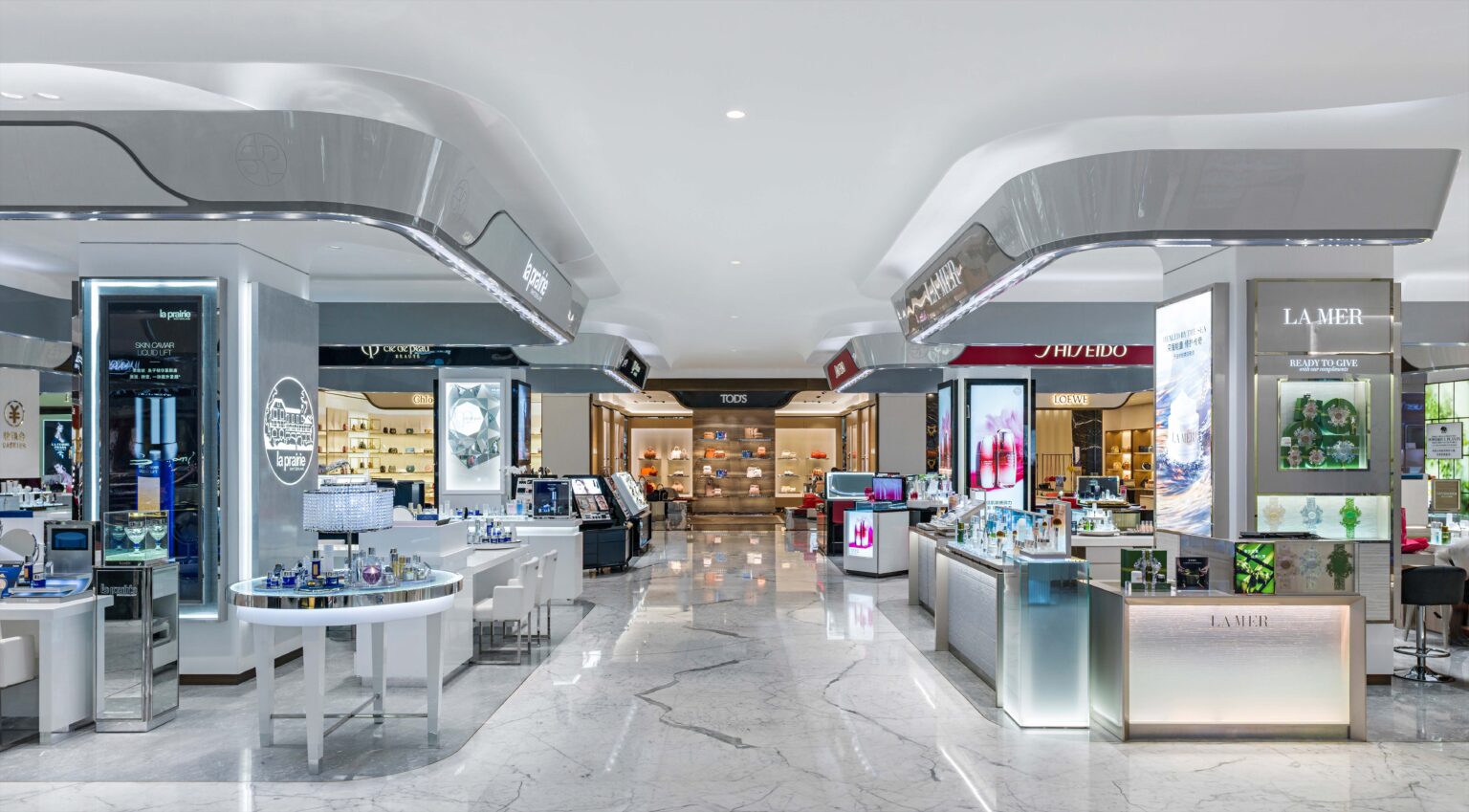
Across Beijing, Xi’an, Chengdu and Wuhan, SKP has consistently demonstrated how design can evolve alongside evolving retail landscape and changing consumer expectations while maintaining a clear architectural identity.
ROD: Return on Design
Return on Design begins with creating a strong sense of place.
Rather than replicating a universal retail formula, SKP adopts a brand-led design approach centred around its distinctive House Style. This provides a recognisable architectural language across every destination while allowing each project to respond meaningfully to its local context.
The result is a portfolio that feels unmistakably SKP without ever becoming repetitive. Each destination reflects the character of its site and city, reinforcing identity through architecture while responding to different urban typologies.
ROE: Return on Experience
If Return on Design creates identity, Return on Experience transforms visitors into participants.
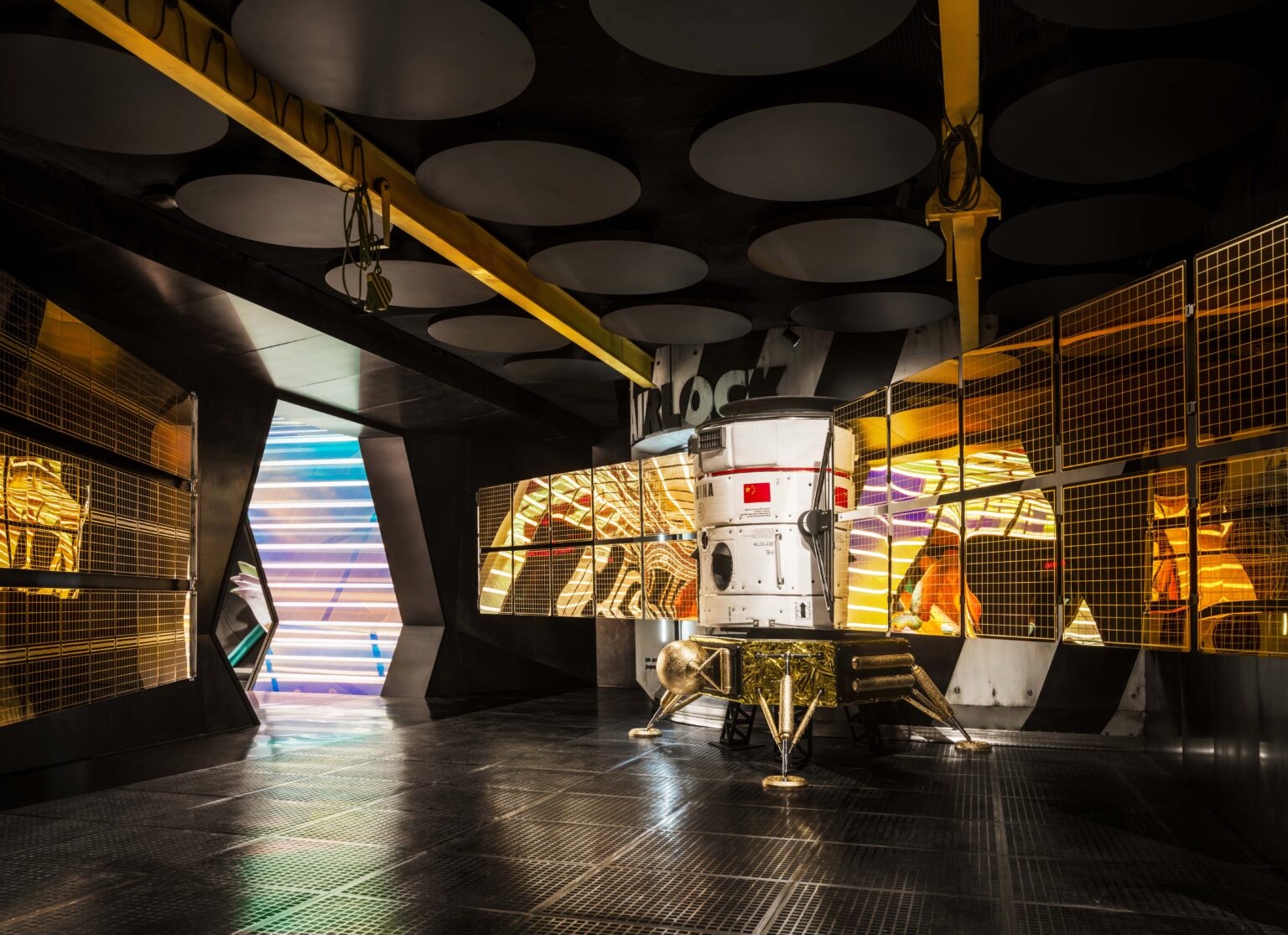
SKP-S—the alter ego of SKP—reimagines retail as an immersive cultural platform where themed environments, art installations and storytelling encourage exploration rather than transaction.
Rather than measuring success purely by sales per square metre, SKP-S prioritises experience per square metre.
Across four cities, each thematic chapter has created a cohesive yet locally authentic retail universe, dissolving traditional boundaries between commerce, culture and entertainment. Visitors do not simply shop—they discover, interact and participate.
Return on Heritage
Great retail is rarely created through novelty alone.
It also establishes the foundations for future heritage.
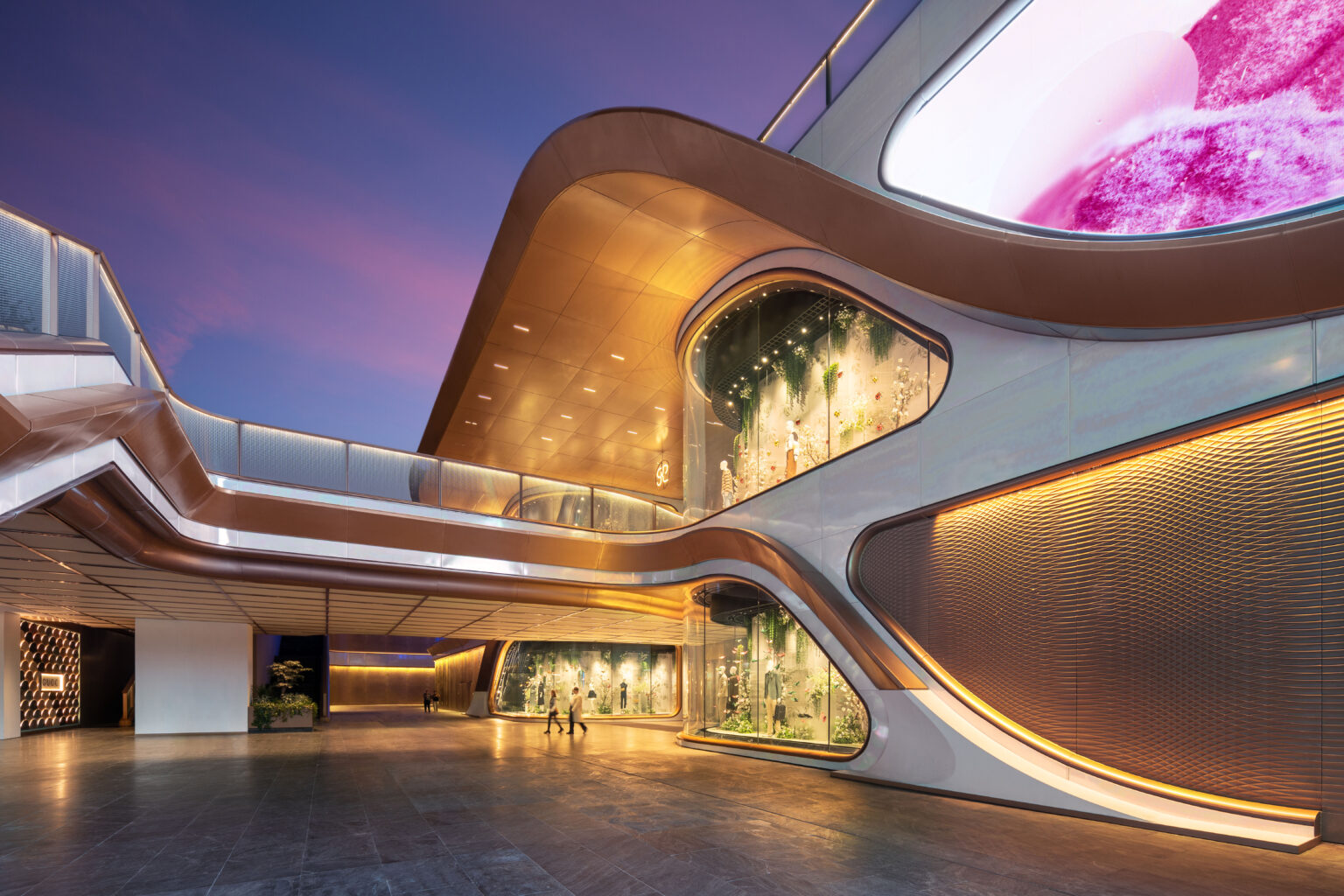
The SKP Curve has become one of the brand’s defining architectural signatures, connecting exterior and interior through a consistent design language that is instantly recognisable yet sufficiently flexible to evolve over time.
Rather than referencing historical heritage, it creates tomorrow’s legacy.
Return on Loyalty
Consumer loyalty is no longer secured through familiarity alone.
It is earned through continuous relevance.
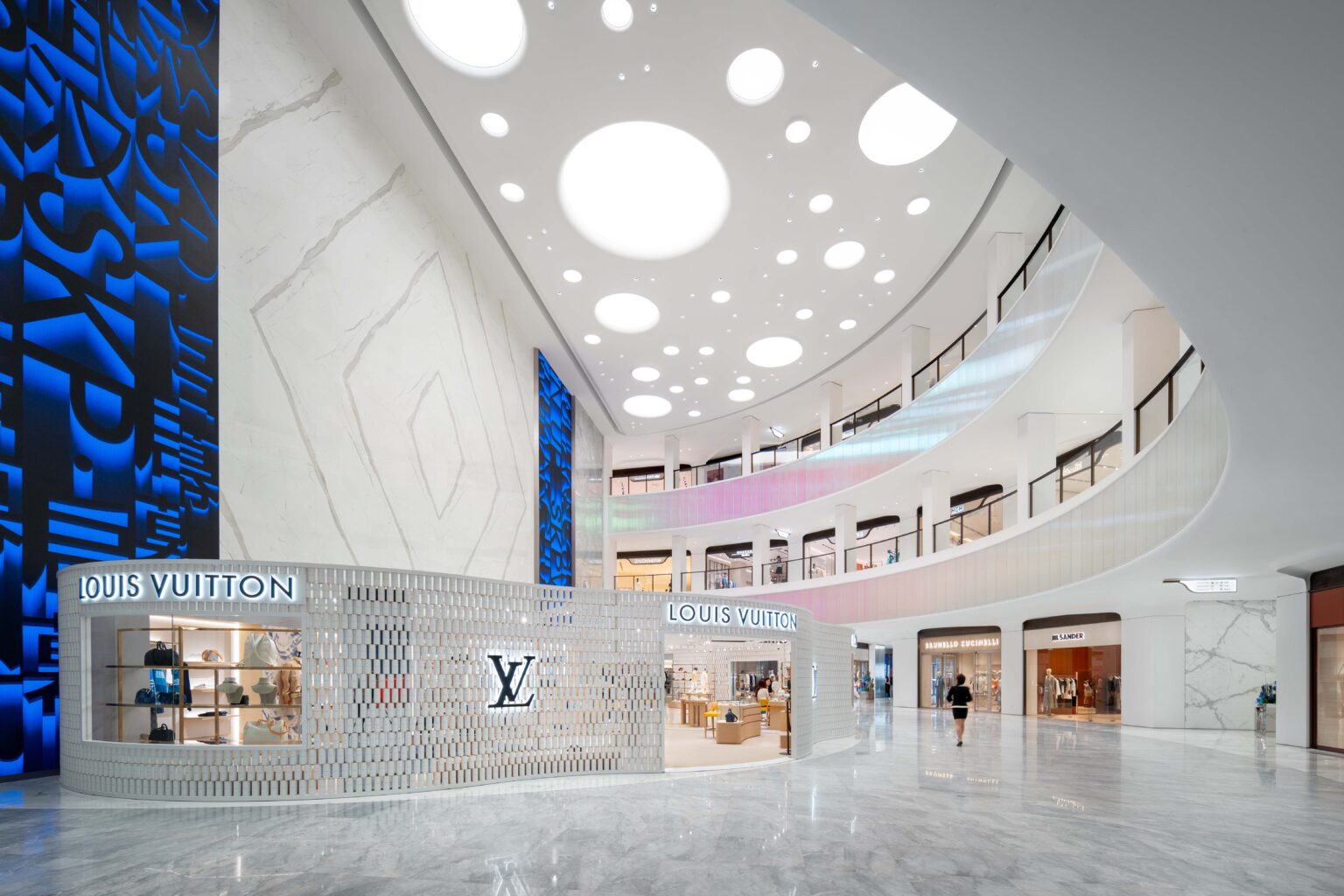
At SKP Wuhan, adaptable spaces allow exhibitions, cultural activations and brand collaborations to evolve throughout the year. The destination continually renews itself, giving visitors new reasons to return.
In this context, loyalty is not a static outcome but an ongoing relationship built through continual reinvention.
Return on Community
Retail’s role is expanding beyond commerce, emerging as a catalyst for more connected and resilient communities.
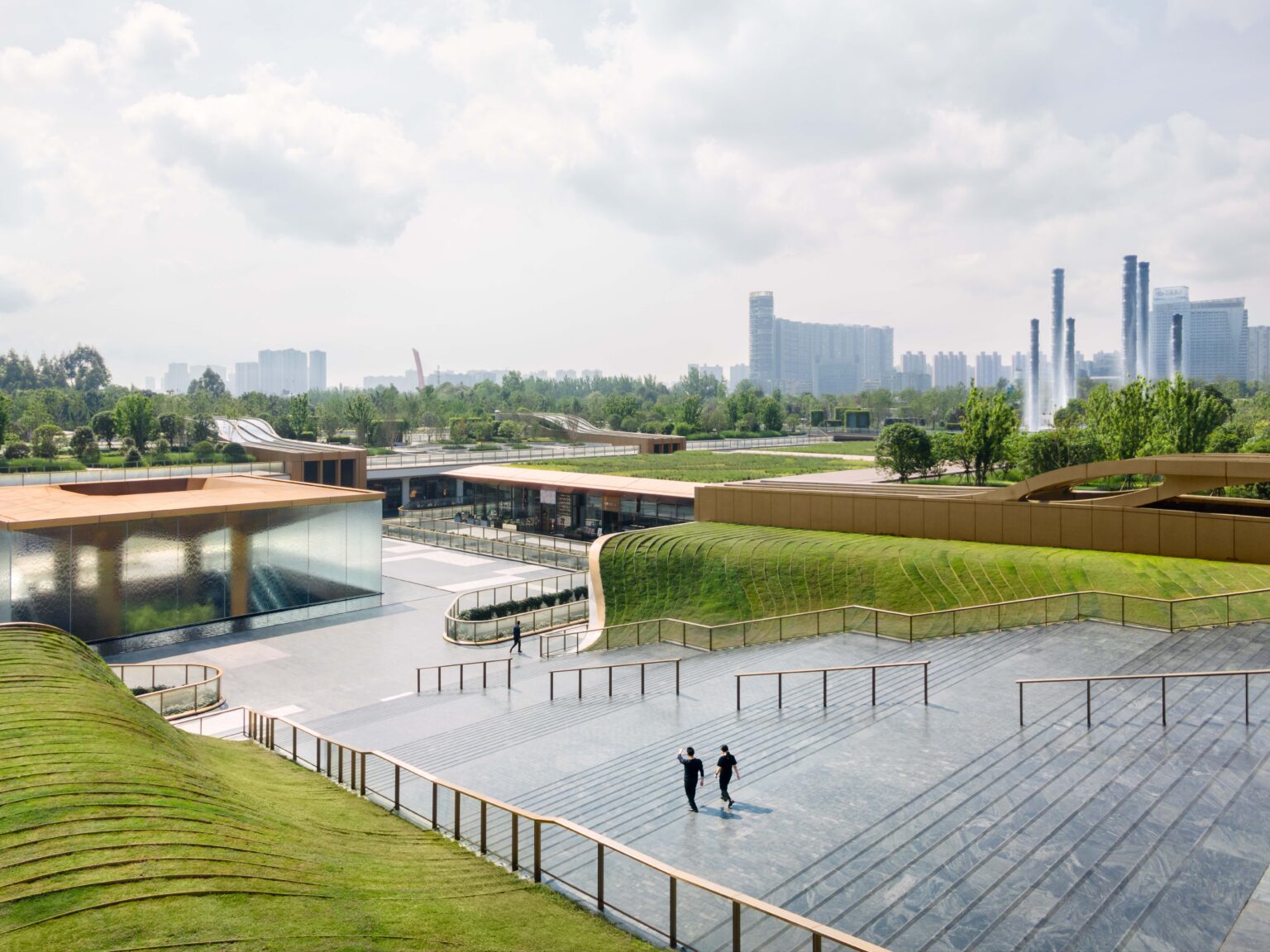
SKP Chengdu’s biophilic masterplan embodies this evolution by integrating landscape, public realm and nature directly into the customer journey. Rather than treating green space as an amenity, it becomes part of the retail experience itself while delivering wider environmental and social value.
In doing so, the project demonstrates how commercial destinations can become meaningful gifts to their cities.
From Measuring Performance to Designing Better Places
Retail is entering a new chapter.
The question is no longer whether experience matters. Increasingly, the evidence suggests that it does.
The greater challenge is understanding what kind of experiences create lasting value, and how that value can be designed, measured and sustained over time.
The Return Matrix represents one possible answer.
Not as a replacement for financial performance, but as a broader framework for evaluating the places shaping tomorrow’s cities—where commercial success is strengthened by design excellence, cultural relevance, emotional connection and community impact.
For architects, designers, retailers and developers alike, success will increasingly be defined not simply by what people buy, but by what they remember, return to and ultimately become part of.